
IDATEN from Sukagawa!! “A Story of a World-Class Runner, Kokichi Tsuburaya” ― Walk Around Sukagawa for tracing his path.
IDATEN from Sukagawa!!
“A Story of a World-Class Runner, Kokichi Tsuburaya”
― Walk Around Sukagawa for tracing his path.
Sponsored Links
↑
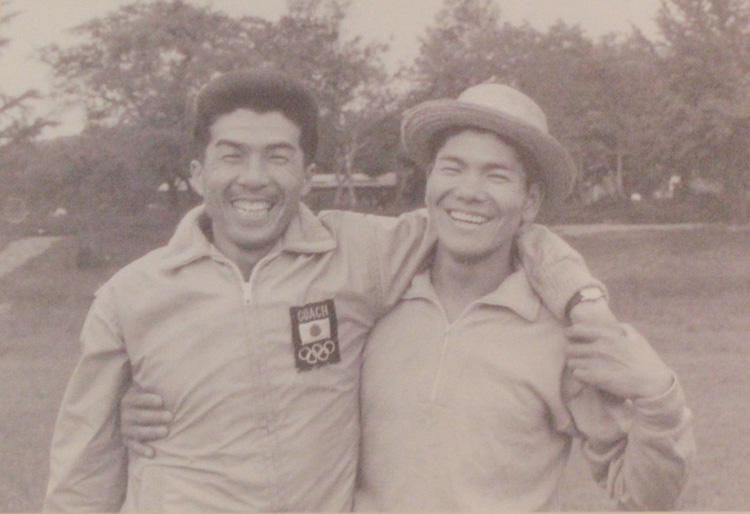
Kokichi Tsuburaya is pictured on the right, with his coach Hatano on the left. Both are wearing big smiles.
The Tokyo Olympic Games are approaching. It will be the second time Tokyo has hosted the event. The torch relay will begin in Fukushima Prefecture, travel throughout Japan, and make its way to Tokyo, symbolizing the nation’s “recovery” from the disaster that occurred in 2011.
It is truly exciting to imagine athletes from around the world competing on the global stage, capturing the world’s attention after all their hard work and dedication.
The Olympic Games are filled not only with the drama of victory and defeat, but also with the personal stories of athletes and those who support them.
At the 1964 Tokyo Olympics, the performance of a track and field athlete sparked great excitement across Japan. His name was Kokichi Tsuburaya, known as “Idaten” (a Buddhist deity said to run with extraordinary speed), from Sukagawa City in Fukushima Prefecture.
Sadly, he passed away before the next Olympic Games in Mexico City. Although he was celebrated as a hero of the Tokyo Olympics and great hopes were placed on him, his life ended too soon.
To learn more about him, we visited Sukagawa City, his hometown.
Kokichi Tsuburaya was born in Sukagawa City as the youngest of seven children in a farming family. His older siblings cared for him deeply.
As a child, he often ran around outdoors with his brothers, while also helping with household chores.
In the summer of his second year of high school, he saw his brother Kikuzo and one of his brother’s friends out running, which inspired him to join the track and field team.
His athletic career began in earnest when, as a substitute runner, he set a new section record in an ekiden (long-distance relay) race held in Fukushima.
After graduating from high school, he joined the Japan Ground Self-Defense Force (JGSDF) and was assigned to Camp Koriyama. At that time, there was no track and field team, so he trained on his own.
Later, with the support of a senior officer, he helped establish a team. Gradually, more members joined, drawn by Kokichi’s character and determination. Training together with his teammates strengthened both his stamina and his speed.
As a result, he was recommended to the JGSDF Physical Training School, known as “the center for future Olympic medalists.” There, he spent fulfilling days receiving dedicated coaching while also studying training methods independently.
At the Olympic trials for the 1964 Tokyo Games, he set a national record in the 10,000-meter race and finished second in the marathon. Remarkably, although he had run only two marathons prior to the trials, he earned a place on the Olympic team.
↑
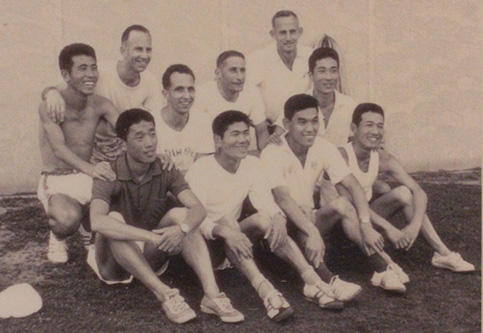
Tsuburaya and fellow athletes at an overseas training camp.
(Kimihara: front row, left / Terasawa: back row, left)
Then came the 1964 Tokyo Olympic Games. Kokichi won a bronze medal in the marathon and placed sixth in the 10,000-meter race, achieving distinction in two events.
He was the only Japanese athlete to compete in both the marathon and the 10,000 meters—and the only one to win a medal in track and field at those Games. His accomplishment sparked great excitement throughout Japan.
Reflecting on his performance, he said, “I felt as though I was not running alone, but being pushed forward by everyone’s support.”
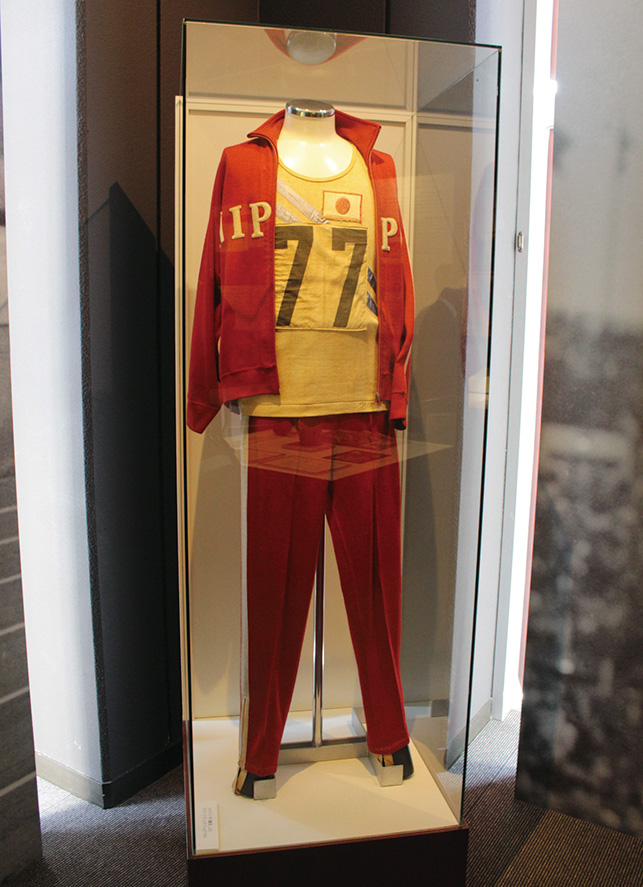
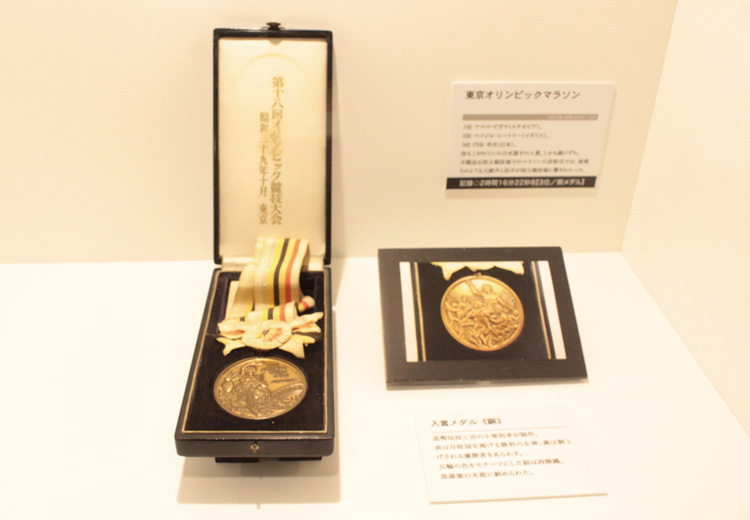
↓Color faded shoes and old newspapers eloquently tell us how much time passed.
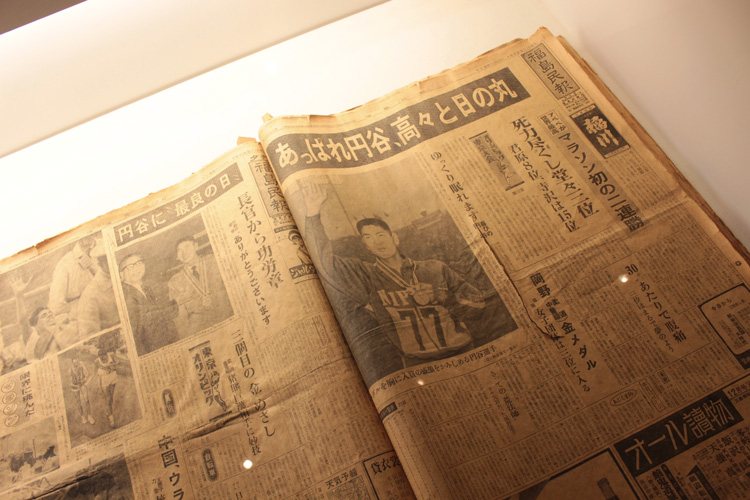
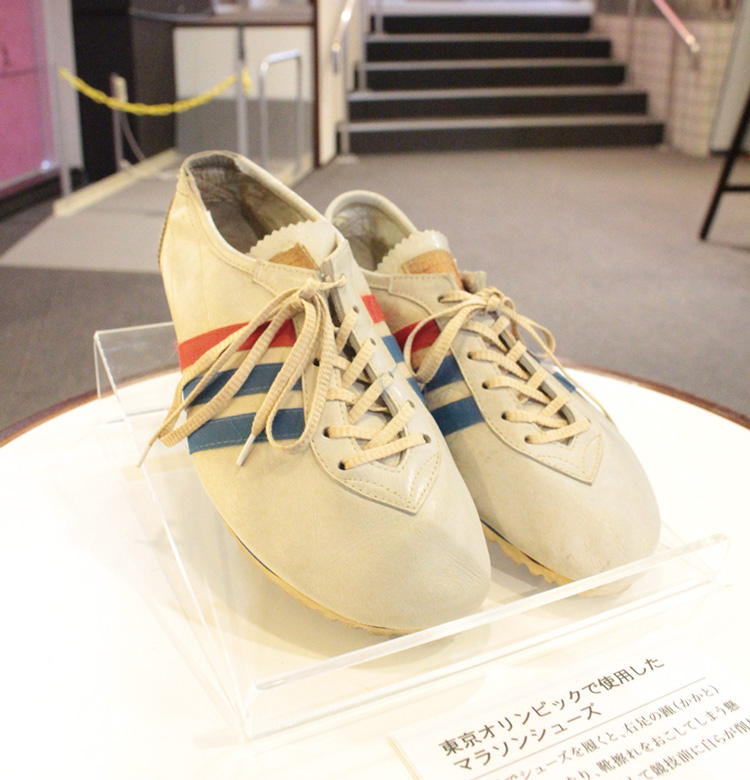
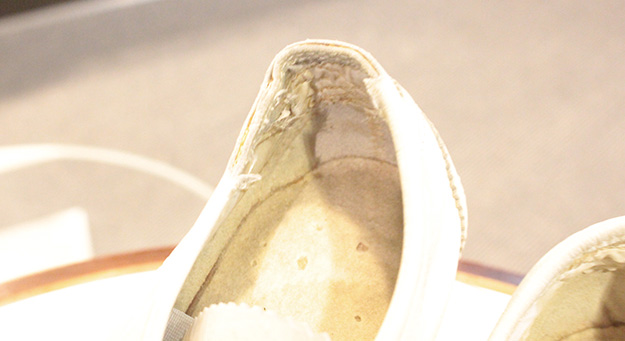
His running shoes were specially adjusted to fit his feet. The fabric appears much thinner than that of modern running shoes.
His shoe size was 25 cm, and he stood 163 cm tall, suggesting that he was not physically large in stature.
After the Tokyo Olympics, enormous expectations were placed on him for success at the upcoming Mexico City Games. However, circumstances began to change. His trusted coach was transferred, his engagement ended, he suffered a herniated disc and underwent surgery, and balancing training with his duties in the JGSDF became increasingly difficult.
In January 1968, the year of the Mexico City Olympics, he passed away at the young age of 27.
Today, he rests at Junen-ji Temple in Sukagawa City. The farewell note he left for his family, expressing his deep gratitude and love for them, is profoundly moving. It has also been recognized as a remarkable piece of writing, admired for its beautiful Japanese expressions and deeply appreciated by prominent authors. His tragic passing further prompted discussions and initiatives to support the mental well-being of athletes.
“Commitment,” “Dedication,” “Sincerity,” and “Honesty”—these are the words that come to mind when reflecting on his life. He possessed a strong sense of responsibility, a tireless work ethic, and a warm, caring nature toward his family, friends, and mentors. His life itself was like a full marathon—constantly striving forward and always giving his very best.
Though this visit was only a half-day trip, Sukagawa City offers many reminders that Kokichi Tsuburaya truly lived and left a lasting legacy. Seeing these traces of his life may deepen your appreciation for the man he was.
Kokichi Tsuburaya Memorial Hall
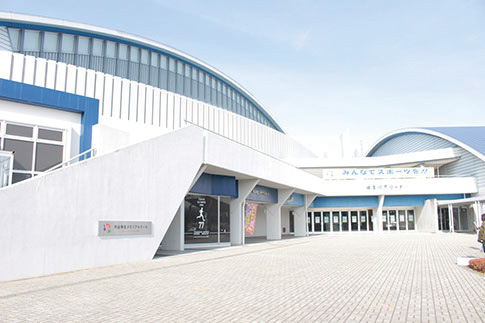
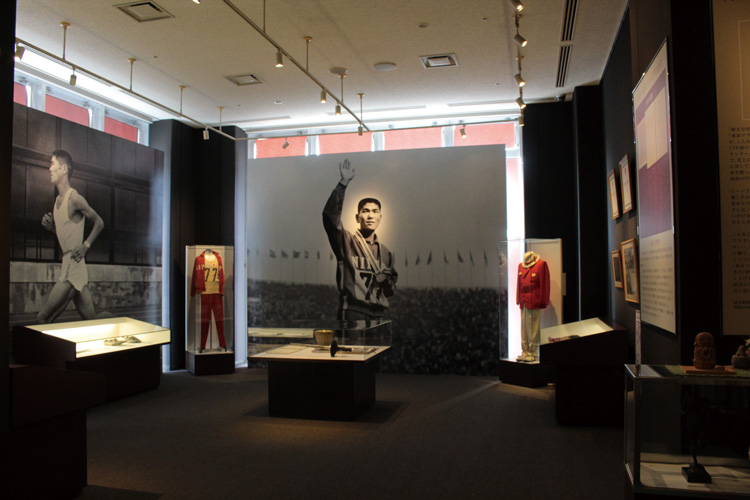
Visit this place if you want to know about Kokichi Tsuburaya!! They carefully maintain and exhibit things related to him, such as shoes and uniforms he used, medals, and trophies.
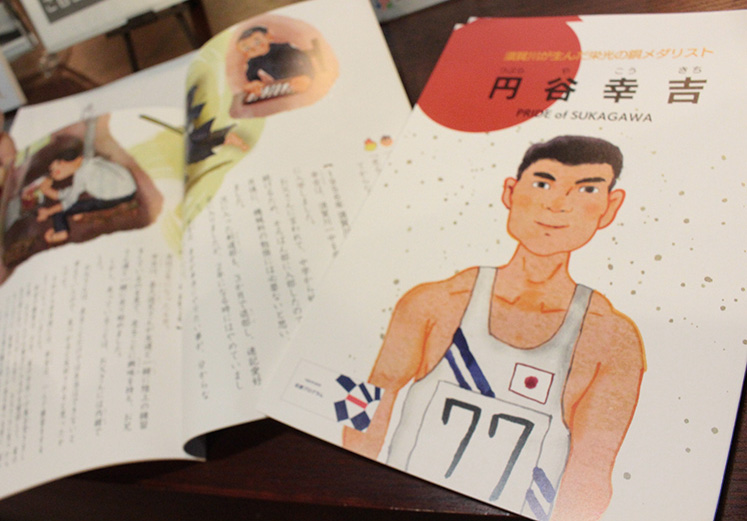
↑A picture book about him. Easy to read for kids.
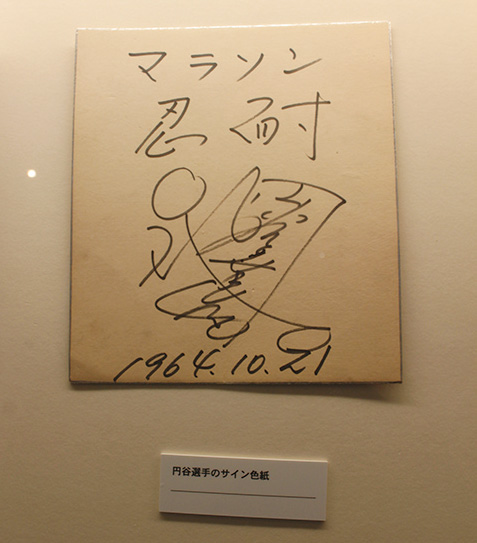
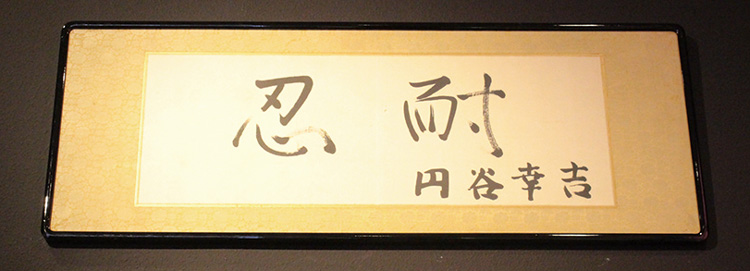
↑“Endurance” is the word he often wrote on his autograph.
↓A bench used at the National Stadium. You can watch an old coverage video.
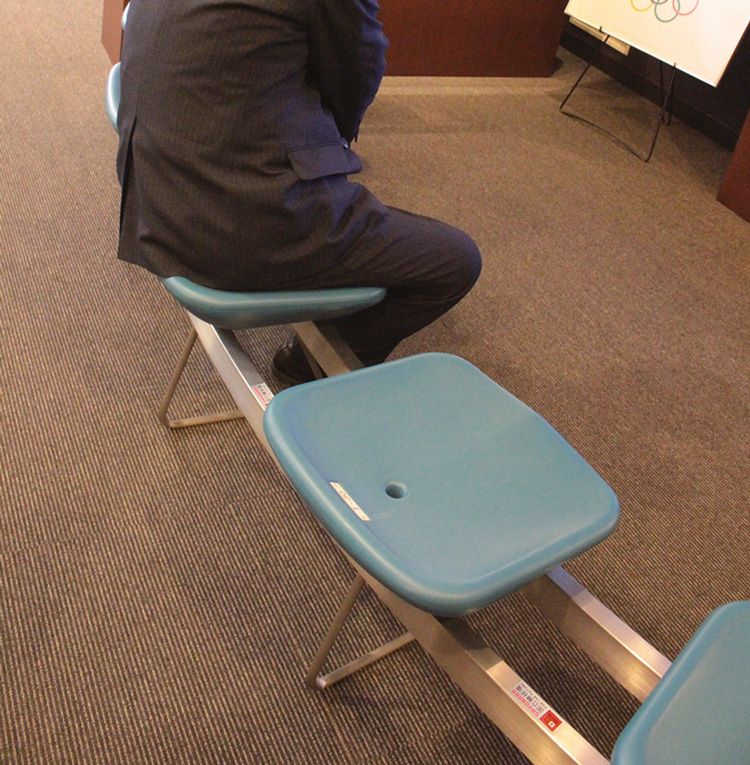
Kokichi Tsuburaya Memorial Hall
Location: 5, Ushibukuro-machi, Sukagawa City, Within Sukagawa Arena
Tel: 0248-76-8111
Open Hours: 9:00am – 5:00pm
Closed Days: Mondays (Tuesdays after national holidays on Mondays)
29th December – 3rd January
Entrance Fee: Free
Monument of Kokichi Tsuburaya
Located in a small pocket park in Ōmachi along the historic Old Ōshu Kaido Road, “Yotteke Square” features a monument dedicated to him.
There is also a storytelling installation called the “Story Box,” where visitors can read and learn about his life in a style similar to kamishibai (traditional Japanese picture-storytelling).
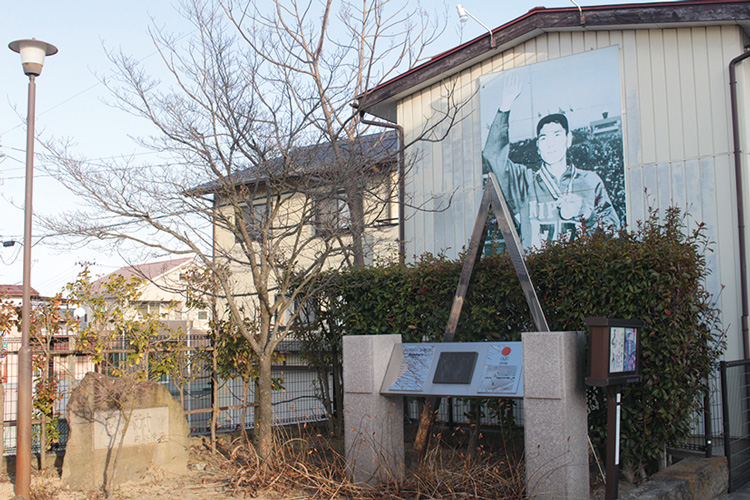
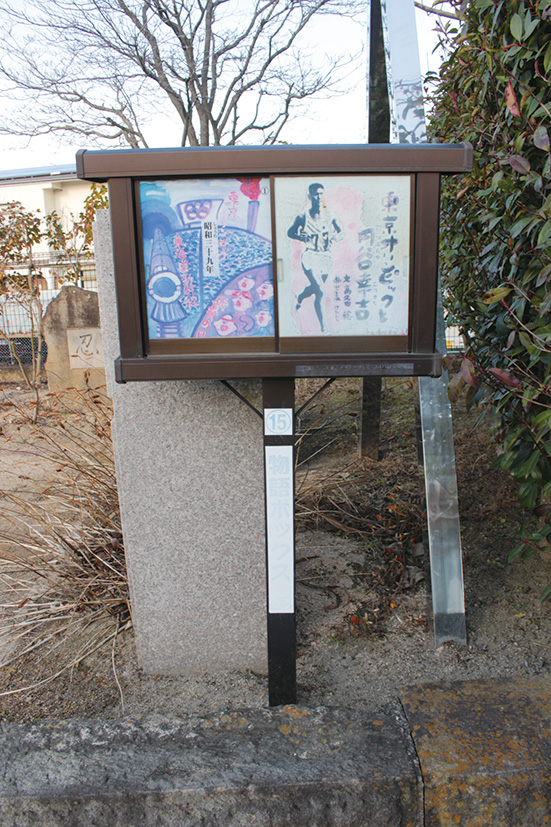
Slide the pages to read. It would be nice to place it back in the starting position after reading.
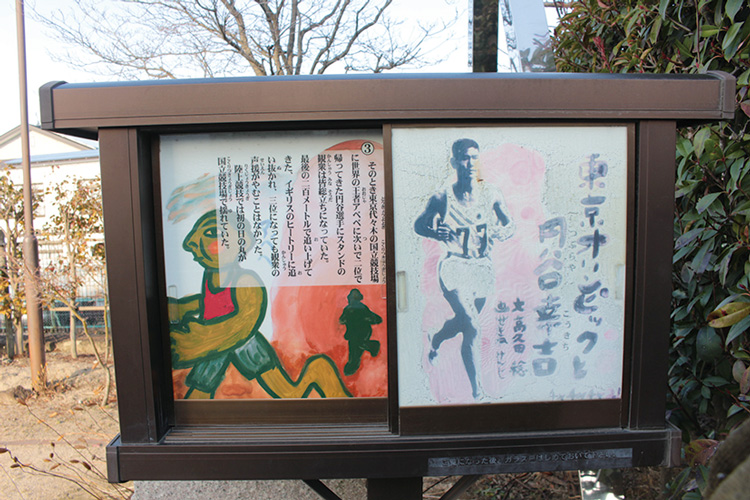
Look at these feet!! He stepped on the world’s stage with them!!
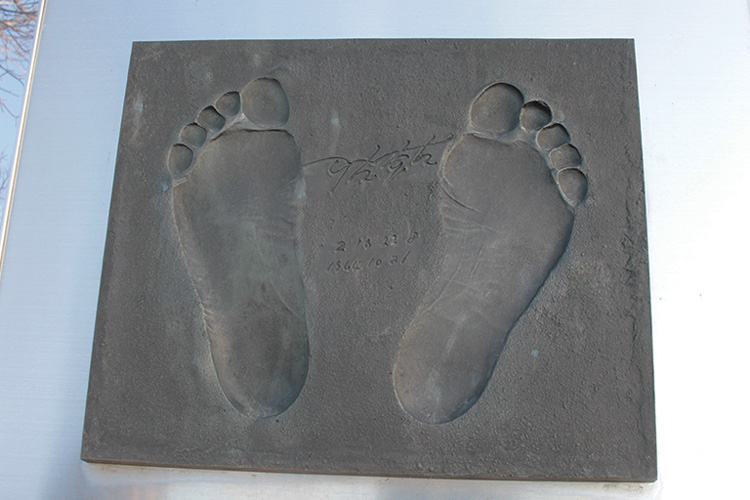
Location: 300, Omachi, Sukagawa City
Confection in honor of Kokichi
This Japanese confectionery shop is located near the birthplace of Kokichi Tsuburaya. It is said that he and his brother often visited the shop.
They offer a variety of sweets, including Western-style treats such as cream puffs and rice flour roll cakes filled with whipped cream, as well as traditional Japanese confections.
Both styles are well worth trying.
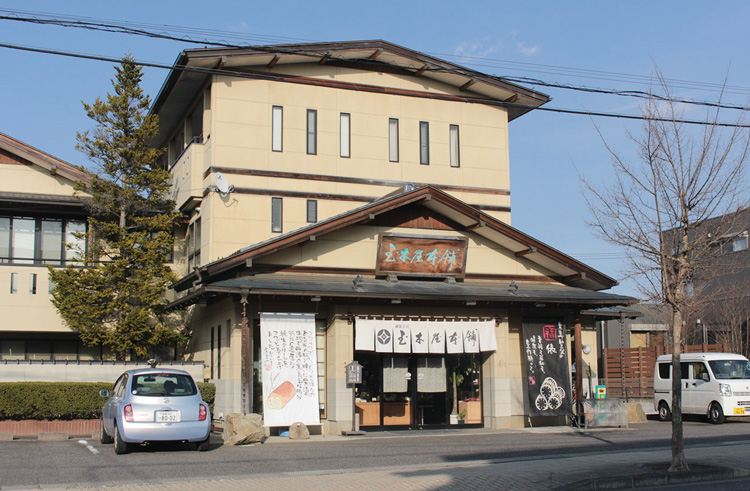
“Kokichi Mochi” (¥86, tax included) is a familiar local sweet known in Fukushima as yubeshi. Two varieties are available: sesame yubeshi and walnut yubeshi.
Yubeshi has a pleasantly chewy texture with moderate sweetness and a subtle hint of saltiness. Its flavor is mild and comforting.
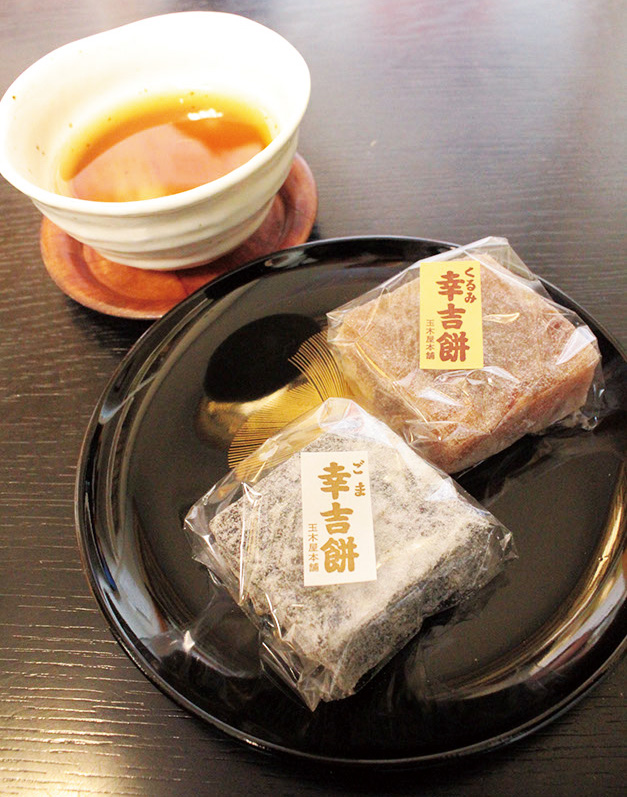
“Kokichi Mochi” is a long-selling product that was created before the Kokichi Tsuburaya Memorial Marathon began. The confection, made from glutinous rice, was developed after consulting Kokichi’s brother, who shared that mochi sweets had been served at Kokichi’s send-off celebration for the 1964 Tokyo Olympics.
Today, many runners who take part in the Kokichi Tsuburaya Memorial Marathon stop by to purchase it as a souvenir.
Confectionery Shop Tamakiya Honpo
Address: 302, Omachi, Sukagawa City
Tel: 0248-73-2393
Open Hours: 8:30am – 7:00pm
※Close at 6:00pm on Saturdays, Sundays, and National holidays
※Occasionally close when products are in short.
Closed Days: Tuesdays
Kokichi Tsuburaya Memorial Marathon
The Kokichi Tsuburaya Memorial Marathon is an annual race held in Sukagawa City in honor of Kokichi Tsuburaya.
The event began in 1983 (Showa 58) with the aim of inspiring a new generation of athletes to achieve success on the world stage, just as he did.
In 2019, it was held on Sunday, October 20. Participants have the opportunity to run along the same roads where he once trained.
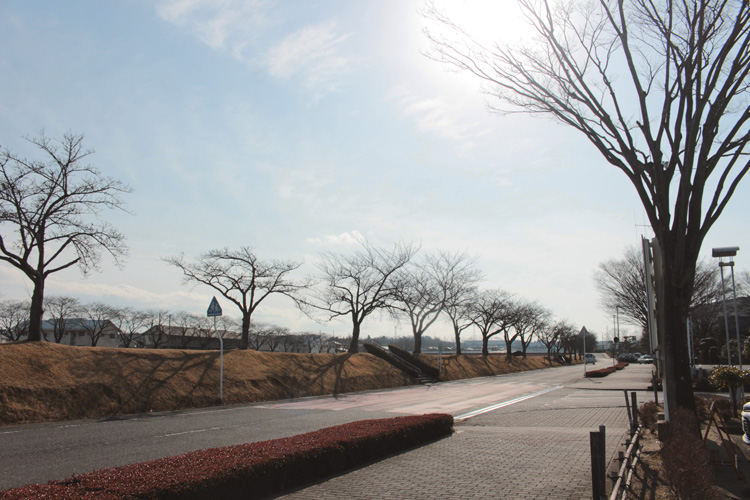
It is said that even after joining the JGSDF and being stationed at Camp Koriyama, he would run all the way back to his home in Sukagawa City on his days off.
The reason, according to those who knew him, was simple: he wanted to eat his mother’s home cooking.
There are many stories that speak of the deep love and close bond he shared with his family.
Ohme Marathon
Ohme Marathon was called “Ohme Hochi Marathon running with Kokichi Tsuburaya” at its first time. Ever since, this event has been popular among city runners.
Fukushima “Ekiden Kingdom”
In “Male Ekiden Prefectures Match 2019” on Sunday, 20th January, Fukushima won the first prize with the time of 2:19:43 for their first time. It was also the first time for one of Tohoku Prefectures. Fukushima is called “Ekiden Kingdom”, and has been trying to develop athletes to be a “Kingdom of Track and Field” since before. The result seemed to come from the efforts.
Sponsored Links