
The music history of Koriyama, Fukushima. Why Is it called ‘‘The City of Music’’? ~Showa era~ Vol.2
The music history of Koriyama, Fukushima
Why Is it called ‘‘The City of Music’’? ~Showa era~ Vol.2
It all began from here…the legendary rock festival!
【ONE STEP FESTIVAL】
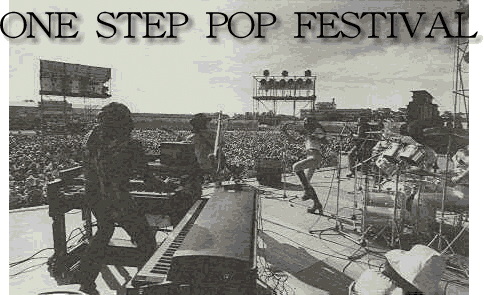
What is the One Step Festival?
The rock festival was held from August 4–5 and 8–10, 1974, at the General Athletics Stadium in Kaiseizan Park, Koriyama City.
Under the theme “Nature for the City! Open Space for Youth! Big Dreams for Everyone!” the event brought together music, freedom, and youthful energy in an open-air setting.
Produced by Yuya Uchida and Keiichi Ishizaka, the festival featured 39 Japanese music groups, along with special guest Yoko Ono from the United States.
Widely recognized at the time as Japan’s largest rock festival, the event remains a historic milestone in the country’s music scene.
■Performing artists
From the United States, Yoko Ono performed with the Plastic Ono Super Band.
The festival also showcased leading Japanese artists and bands, including:
-
Hiro Tsunoda & the Space Band
-
Kenji Sawada & the Takayuki Inoue Band
-
Mickey Yoshino Group
-
Kazuhiko Kato & the Sadistic Mika Band
-
Yonin Bayashi
-
Gedo
Together, these artists created a powerful and unforgettable lineup that defined an era of Japanese rock music.
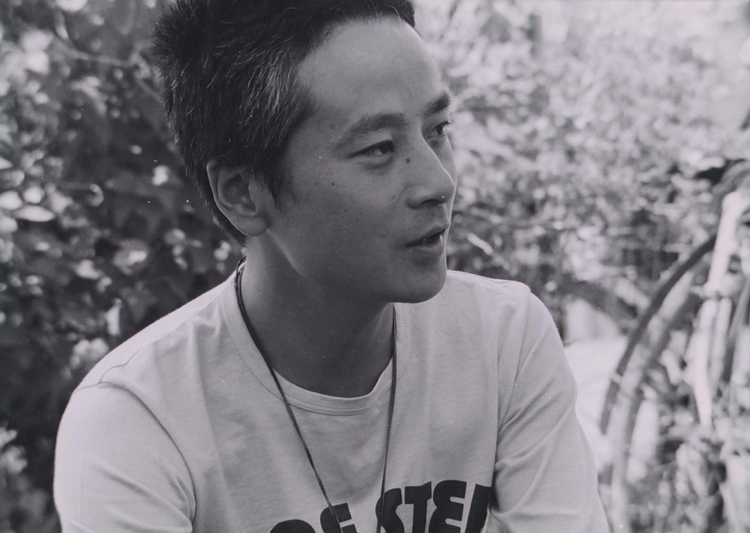
Saburo Sato
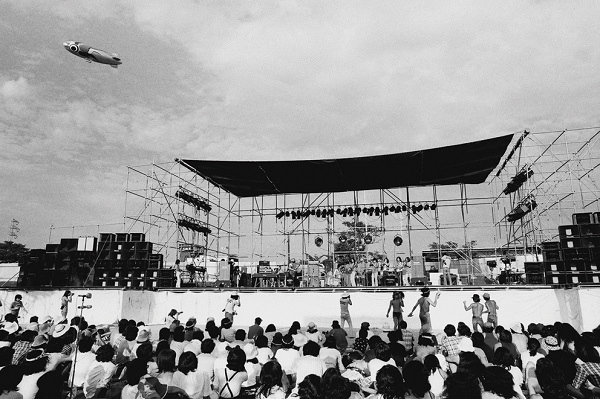
One Step Festival (1974), Saburo Sato
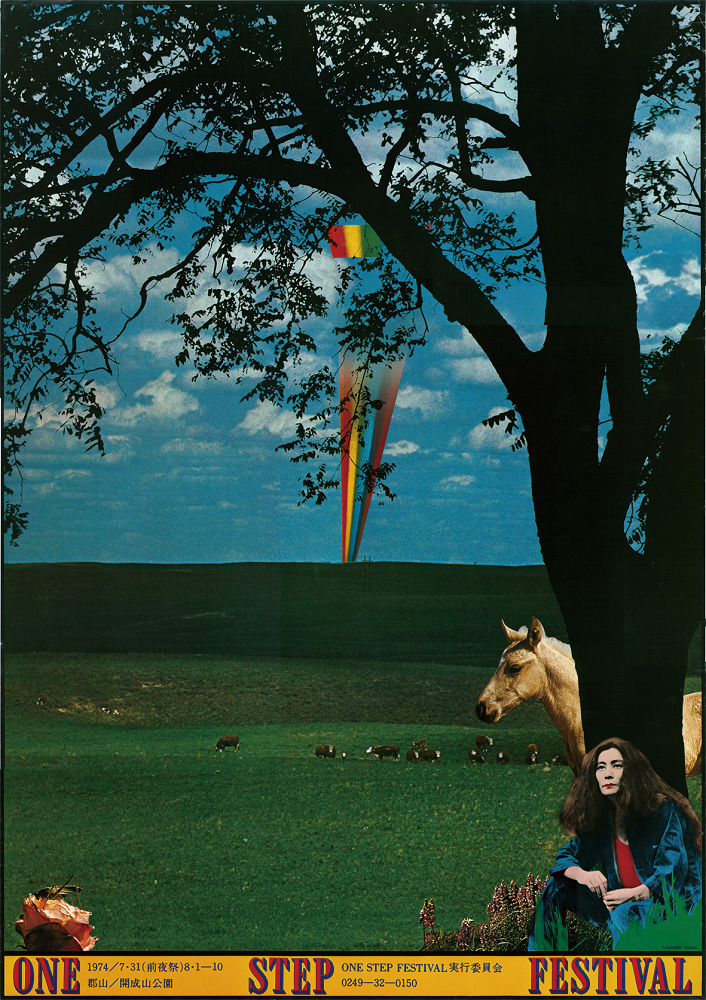
Poster of One Step Festival, Saburo Sato
Interview about One Step Festival
We visited “OLD SHEP,” located in Doumae-cho, Koriyama City.
The owner, Mr. Ito, took part in the legendary One Step Festival as a student, working there part-time at the time. His firsthand memories offer a rare glimpse into the atmosphere of that historic event.
During our visit, we interviewed him together with Fukushima City–based singer-songwriter MANAMI, discussing the festival’s impact and the spirit of those unforgettable days.
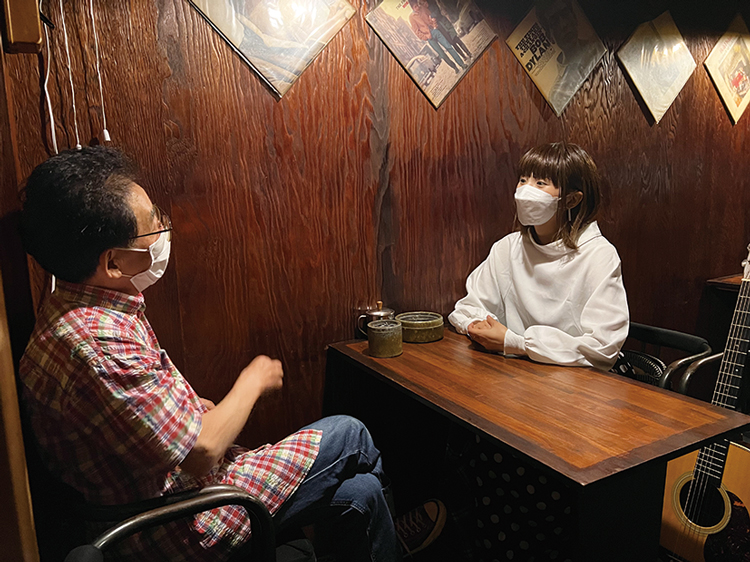
INTERVIEW
Interview – Memories of the One Step Festival
Q: You had been going back and forth to Tokyo since you were 18. Were you already studying in Tokyo when the One Step Festival took place?
Ito:
That was in 1974, right? I was in my third year of university at the time.
I knew someone involved with a small record label in Tokyo, and he asked me if I would help out at the festival to earn some extra money. So I said yes. I commuted from Miharu Town every day during the event.
The staff who came from Tokyo stayed at a church or in hotels, but I traveled back and forth. We worked for about a week.
Our working conditions were different from those of the local staff—we even wore different-colored T-shirts. Because of that, we were allowed to sneak backstage, which was pretty exciting.
But in the end… we never got paid.
Interviewer: No way!
Ito:
After the festival, I complained about the payment to the chairman, Saburo Sato.
Still, despite that experience, I truly enjoyed seeing all the artists perform.
There were so many famous names on the lineup. I remember that Kenji Sawada, Carole, and Yoko Ono were especially popular.
Kris Kristofferson and Rita Coolidge also drew huge crowds.
Yoko Ono, in particular, had a real VIP presence about her.
Q: I heard that Tatsuro Yamashita was there as well?
Ito:
Yes, he was. Tatsuro Yamashita was performing with his band Sugar Babe.
They were really interesting, and their performance was excellent.
Actually, all of the artists delivered great performances—it was an incredible lineup from start to finish
Q: It’s often described as the origin of outdoor music festivals in Japan. Do you think that’s true?
Ito:
There really weren’t many large-scale outdoor events like that at the time.
I believe it definitely set the trend. It showed people what was possible and paved the way for the outdoor festivals that followed.
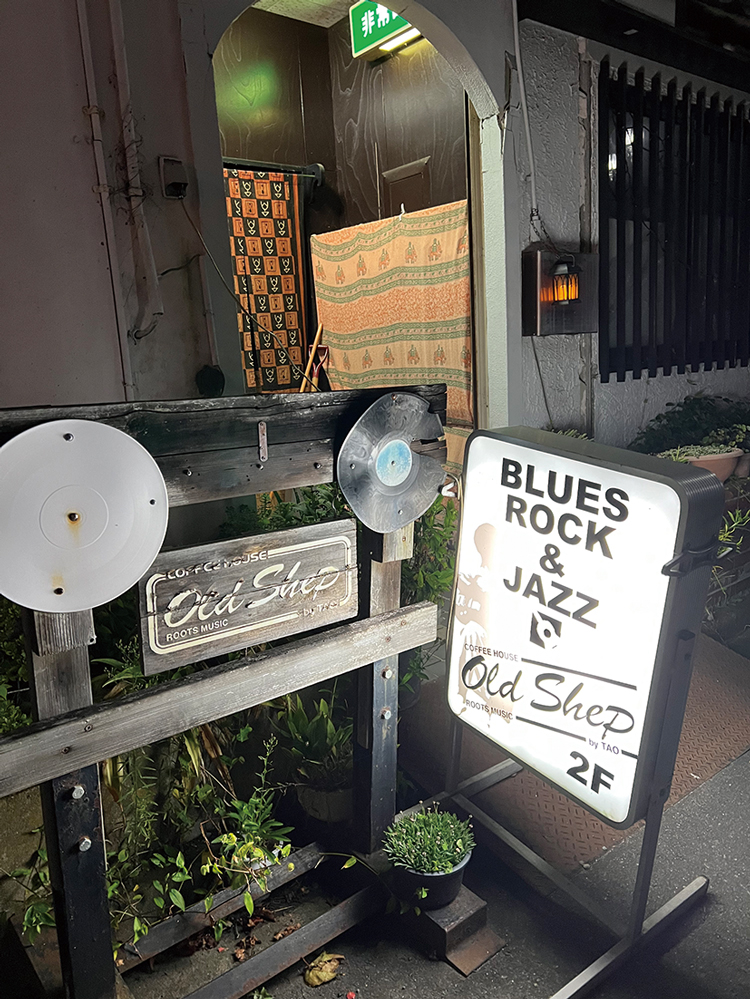
interviewee
OLD SHEP
Owner: Mr.Ito
Adress: 10-15 Katano Building 2F, Domae-machi, Koriyama, Fukushima.
Tel: 024-938-2203
A cafe run by a music-loving owner. You can enjoy coffee and alcohol whilst listening to music from his precious vinyl collection. He also invites a variety of artists to perform live here.
Toughts from MANAMI
It was a wonderful opportunity to learn more about — and talk in depth about — this legendary festival.
I also had the chance to watch the film “Hyakuman Nin no Dai Gassho” for the first time. The film is even older than I am, which made the experience feel even more special. Seeing it gave me a deeper understanding of the era and the energy surrounding the event.
Now that I am more familiar with Koriyama’s musical history, I feel even prouder to call this city my hometown.
Even today, people here continue to enjoy music at live houses near the station. Although it has become more difficult to host large-scale events like major music festivals under the current circumstances, the spirit of music in the city remains strong.
To keep this proud tradition alive, it is important for all of us to support local musical activities — from choirs and brass bands to live performances and community events. By doing so, we can ensure that Koriyama’s rich musical culture continues for future generations.

The music history of Koriyama, Fukushima. Why Is it called ‘‘The City of Music’’? ~Showa era~ Vol.1