
Oyasuba Ancient Tomb / Bungaku-no Mori Museum in Koriyama City, Fukushima
Sponsored Links
The Feature of Style Koriyama August Issue 2018
The Path of Ancient Tombs & Literature
Oyasuba Ancient Tomb & Bungaku-no-Mori Museum, Koriyama City, Fukushima
Arinko History Expedition: Journey Along the Roots

Speaking of summer break in Japan, kids get to work on their research projects!
It can be a headache, but it’s definitely worth the challenge.
This summer, the Queen Ant has set her sights on the history of Koriyama:
“Go explore the pieces of Koriyama, my expedition crew! Visit the ancient tombs in Tamura-machi and learn about authors connected to Koriyama.
It’s worth getting to know the city more deeply!”
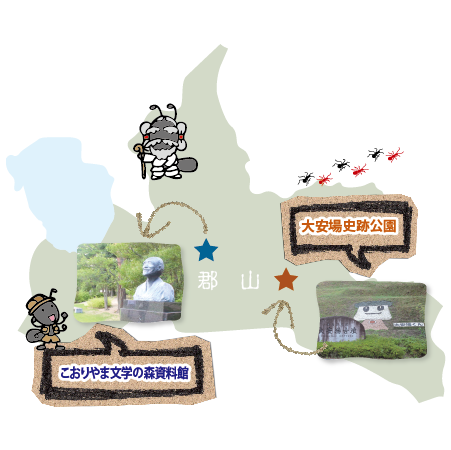
☆Joyful Characters and the Setting of This Story☆

● The Arinko Kingdom
The home of the Arinko (ants), said to be somewhere in Koriyama City. Many Arinko live happily together under the rule of the Queen Ant.
● Arinko (Ants)
Curious about everything! They usually live peacefully, but when they catch a whiff of adventure, they gather into a party and set off exploring.
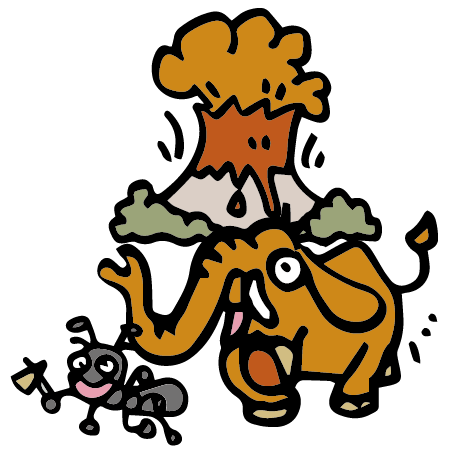
What is Oyasuba Historic Park like?
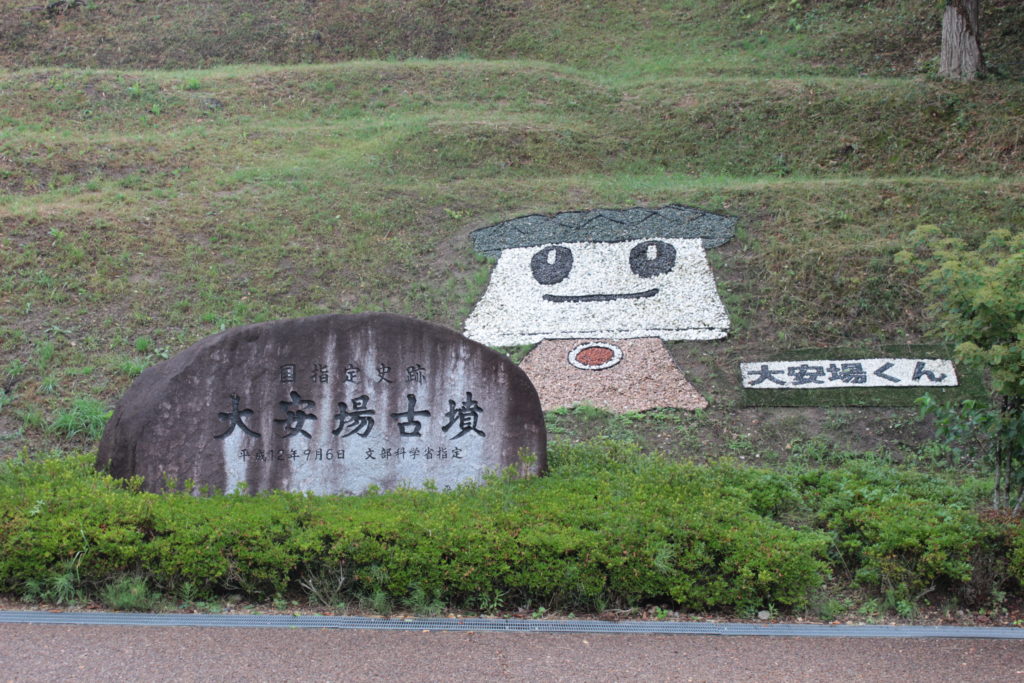
Oyasuba Historic Park (in Tamura‑machi, Koriyama City, Fukushima, Japan) is a spacious history park built around the remains of ancient burial mounds called kofun. The site was developed alongside the nearby Ōyasuba kofun group, which was designated a National Historic Site of Japan because of its archaeological importance.

oyasuba Historic Park is a city park (comprehensive park) that opened on April 4, 2009 (Heisei 21). It was developed around the Oyasuba Ancient Tombs, discovered in 1991 and designated a National Historic Site in 2000.
Visitors can climb the tombs, explore exhibits of ancient artifacts, and enjoy hands-on learning events held from time to time. The park also features an adventure playground and a kids’ play area, making it a fun destination for families. It’s a place you’ll want to visit again and again.
Haniwa (Terracotta Clay Figures)
Haniwa are ancient Japanese clay figures made from terracotta. They were placed on and around burial mounds (kofun) to protect the deceased and represent people, animals, and objects from daily life. These figures give us a glimpse into ancient customs, clothing, and culture.
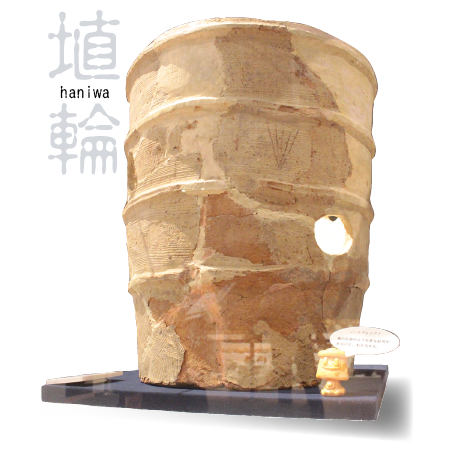
Temporary Exhibition: “Koriyama at the Time of the Five Kings of Wa”
During the Tumulus Period, the world referred to Japan as “Wa”, ruled by leaders known as Ōkimi (Great Kings). From the late 4th to mid-5th century, Japan experienced major changes as tumulus culture spread across the country.
This exhibition showcases Koriyama’s role in that period, displaying artifacts from the region that reveal how life, culture, and leadership evolved during the era of the Five Kings of Wa.
Were there ancient tombs and remains in Koriyama?
Yes! While many of Koriyama’s tombs are smaller than those in Nara and Osaka—the political centers of the time—there are still numerous ancient tombs and archaeological remains in the area.
The Oyasuba Ancient Tomb, the largest rectangular-shaped tomb in the Tōhoku region, is the most famous. In addition, many other tombs and historical remains have been discovered throughout Koriyama, offering a fascinating glimpse into the region’s ancient past.
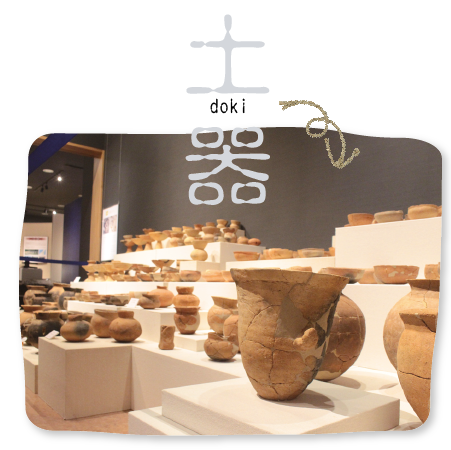
Ancient Pottery
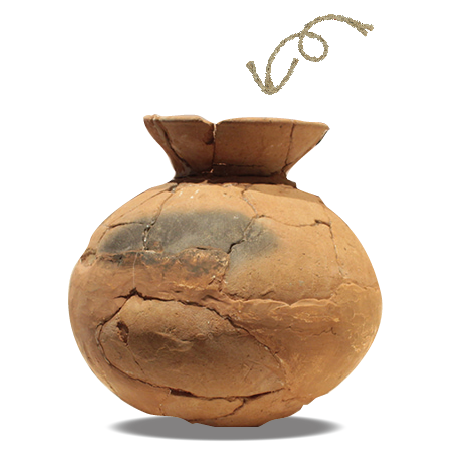
The exhibition features 200 pieces of ancient pottery, a rare opportunity to see so many on display at once. Many of the pieces are blackened on one side, showing the soot from when they were used in fire pits. These pottery pieces give a fascinating glimpse into the daily life of people in ancient Koriyama.
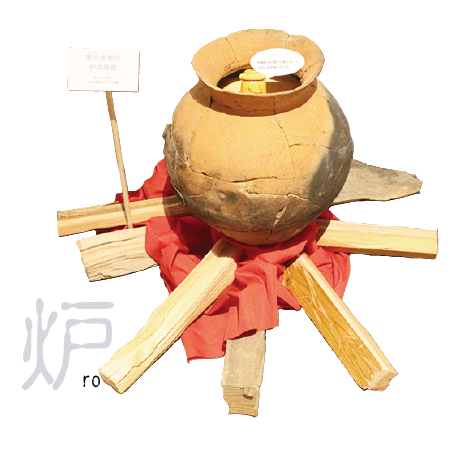
Fire Pit
Originally, the fire pit was more like a simple hearth. Over time, it evolved into a large kitchen fireplace built into the wall. With this change, new types of pottery were created, including Takatsuki (single-legged serving trays) and long-shaped cooking pots, reflecting the evolving cooking and dining practices of ancient times.
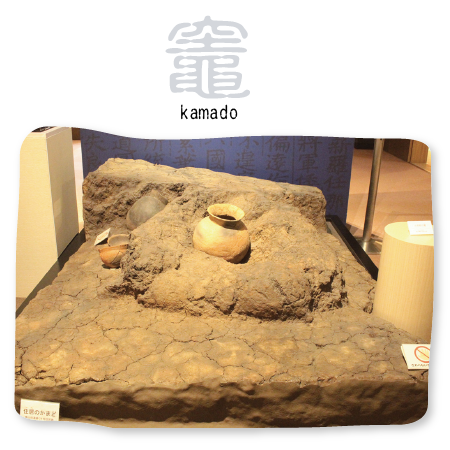
Kitchen Fireplace
Wow! This kitchen fireplace was carefully moved here from the actual excavation site, letting visitors see a piece of ancient daily life up close!

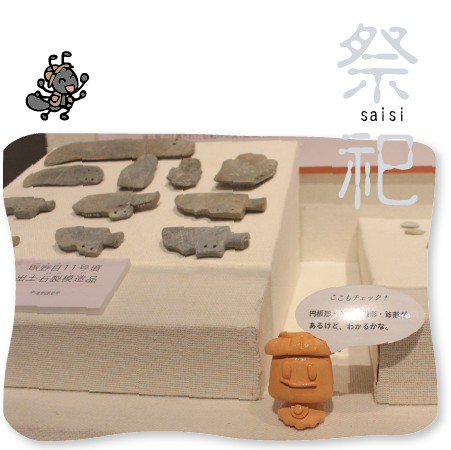
The Ritual
These are stone replicas of ritual items used in worship and burial ceremonies. Miniature swords and small knives are made from soft talc stone, giving a fascinating glimpse into ancient practices. So cool! ♪
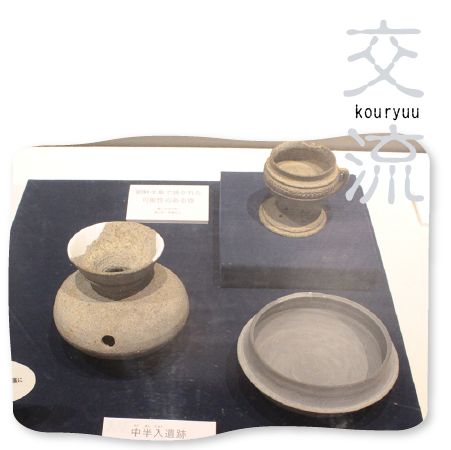
Cultural Interaction
This unglazed ceramic pot is believed to have been made on the Korean Peninsula, meaning it was imported to Japan during ancient times. It’s very thin, finely crafted, and stylish, showing the cultural exchange that took place long ago.
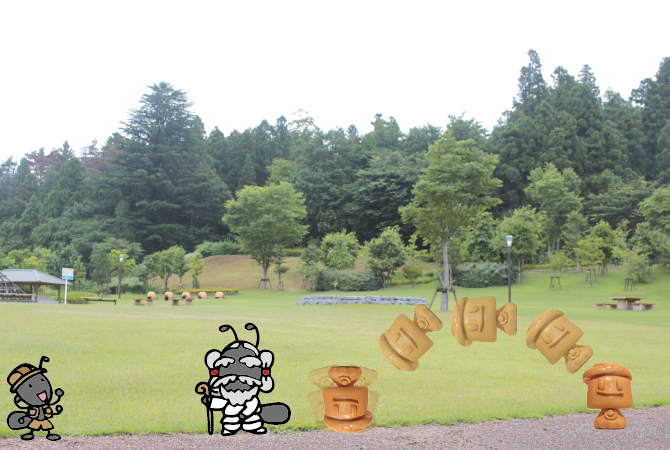
What Can We Learn from Studying Remains and Artifacts?
The exhibition is organized around seven themes: Dwelling House, Ancient Pottery, Community, Ancient Tomb, Ritual, and Cultural Interaction. By exploring these, you can discover how ancient people lived—how they connected, interacted, and moved themselves and their belongings. For example, imported items like unglazed ceramic pots and iron tools from the Korean Peninsula show how people traded and exchanged ideas long ago. It’s amazing that these ancient objects still exist!
And that’s just part of the fun. This park is spacious and perfect for outdoor play, making it a great place for kids to explore—and a wonderful resource for their summer projects.
Oyasuba Historic Park
Phone: 024-965-1088
Address: 160 Oyasuba, Daizenji, Tamura‑machi, Koriyama
Opening Hours: 9:00 AM – 5:00 PM
Closed: Mondays / New Year Season
(The park grounds are open every day of the year)
Entrance Fee: Free
What is Bungaku‑no‑Mori Museum like? What can you see there?

Koriyama started as a small post town and grew into a large city, mainly through the development of the Asaka area. The Bungaku‑no‑Mori Museum serves as a cultural and resource center and is located on Kaiseizan, the heart of the city’s development.
The museum’s name, “Bungaku‑no‑Mori” (Literature Woods), comes from the old name of Kaiseizan, “Hanare Mori” (Distant Woods). It reflects the museum’s focus on literature, culture, and the history of the area, offering visitors a place to explore Koriyama’s literary and cultural heritage.

- Atsushi Nakajima and Osamu Dazai appear in “Bungou Stray Dogs.”
- Masao Kume appears in “Bungou Alchemist.”
Who are the authors they have in their display?
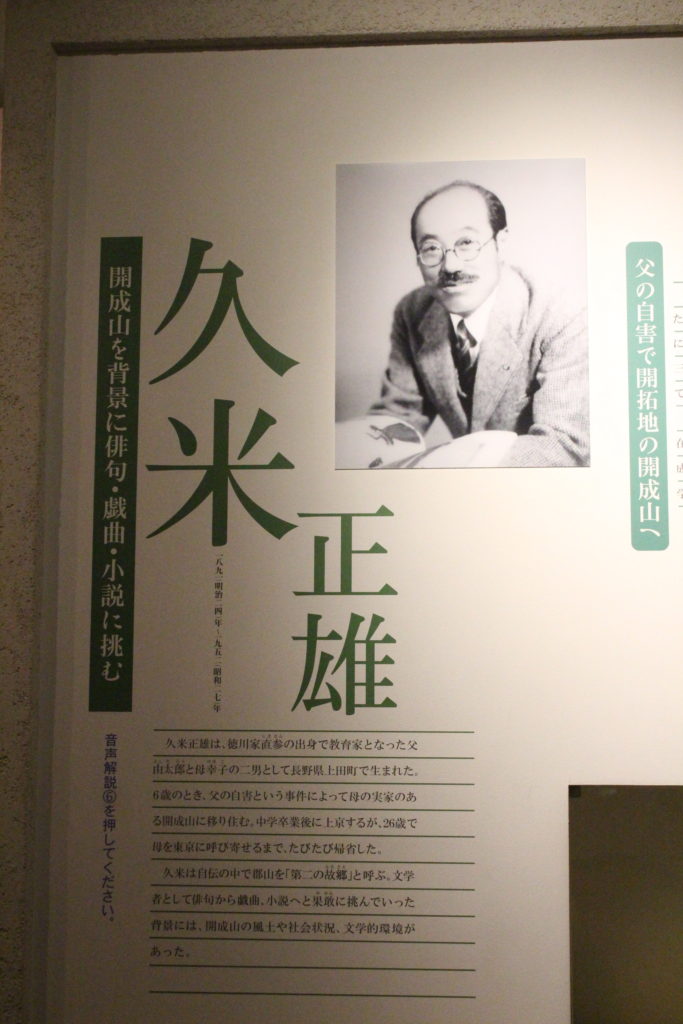
Modern Literature in Koriyama
At the museum, you can explore materials related to authors connected to Koriyama, including:
-
Masao Kume, a pupil of Soseki Natsume
-
Yuriko Miyamoto, author of “A Crowd of Poor People” and granddaughter of Masatsune Nakajo, known as the “Father of Asaka’s Development”
The museum also preserves valuable items such as letters written by these authors, and visitors can even watch Ryunosuke Akutagawa in old film recordings. It’s a fascinating way to see the traces of modern Japanese literature up close.
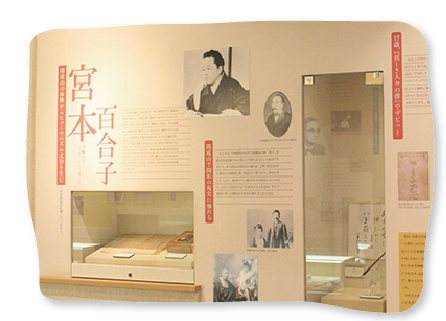
Yuriko Miyamoto and Koriyama’s Literary Heritage
Yuriko Miyamoto first appeared on the literary scene at just 17 years old with her story “A Crowd of Poor People”, set in Koriyama during the development of the Asaka area.
Today, Koriyama City continues to celebrate literature through two competitions for young writers:
-
The Santei Prize for haiku, named after the pen name of Masao Kume
-
The Kume Prize / Yuriko Prize, which invites third-year junior high students to submit unpublished novels and poetry
These competitions help keep Koriyama’s rich literary tradition alive for the next generation.
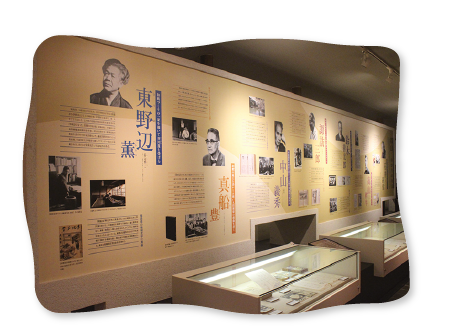
Akutagawa Prize Winners from Koriyama
Three Akutagawa Prize winners graduated from Fukushima Prefectural Asaka High School in the Kaisei area of Koriyama:
-
Gishu Nakayama
-
Kaoru Tounobe
-
Sokyu Genyu
Their achievements highlight the city’s strong connection to modern Japanese literature.
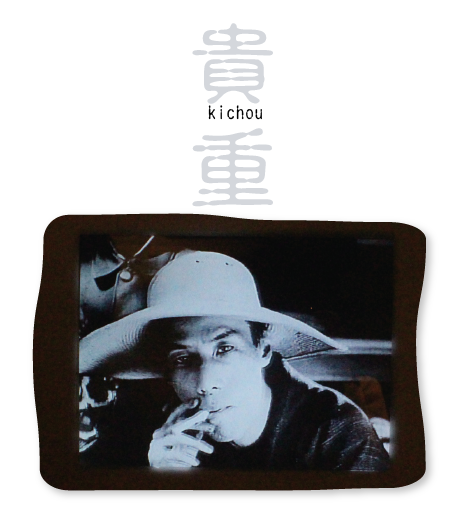
Valuable Piece
Masao Kume, a pupil of Soseki Natsume, had many literary friends. The museum preserves a rare film of Ryunosuke Akutagawa shortly before his death, along with scenes of his friends. This is a unique and invaluable piece that cannot be seen anywhere else.
Can I Enjoy the Museum Even If I Don’t Know Much About Literature?
Yes! You don’t need to be an expert to enjoy it. In addition to the Permanent Exhibition, the museum hosts Special and Temporary Exhibitions several times a year—great opportunities to get close to the works of famous authors.
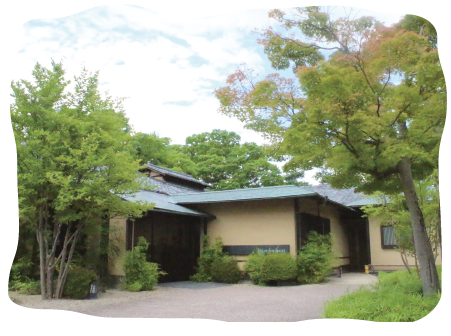
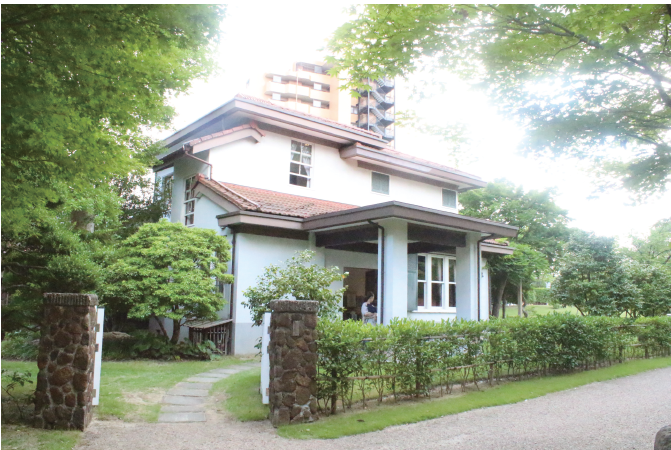
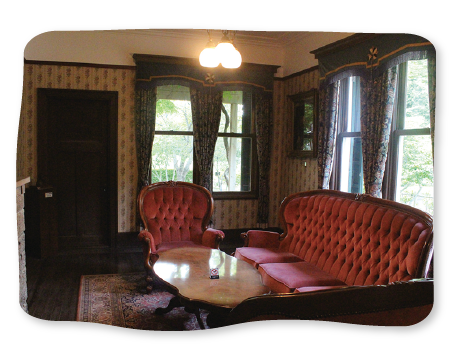
The Masao Kume Memorial Hall is a house designed in a blend of Japanese and Western styles, where Kume spent his later years as an author. Visitors can explore the house, stroll through the spacious garden, and enjoy the peaceful surroundings—perfect even for casual visitors!
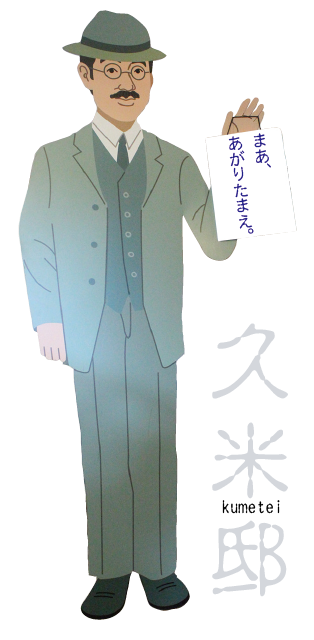
The House of Kume
The First/Ground Floor

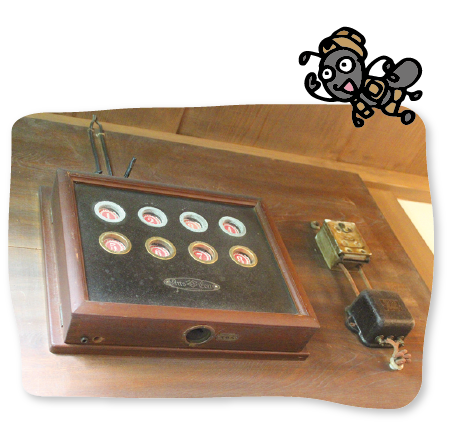
A device to inform the number of people to prepare tea. Used by students and maids. This was so Kume since he loved new things.
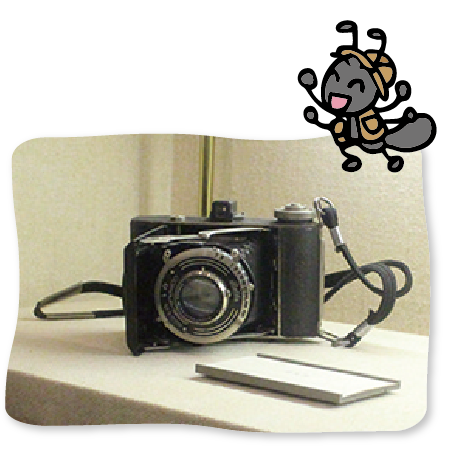
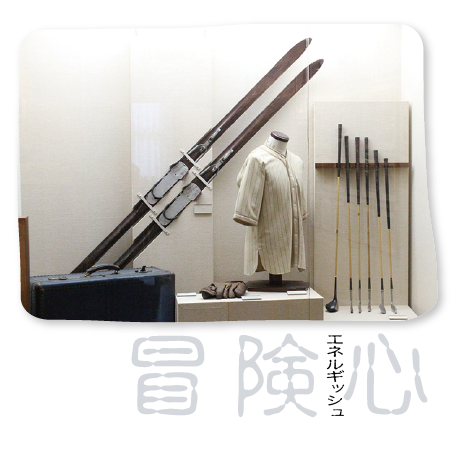
Energetic, Adventurous Spirit
This is a trunk used by Masao Kume, who traveled around the world twice. You can get a sense of his adventurous personality from his belongings, including golf tools made of rare materials and well-worn gloves.
The Second/Frist Floor
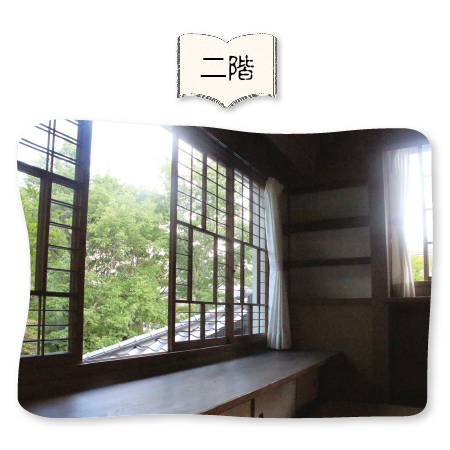
Masao Kume’s Desk
This is the desk from Kume’s office on the second floor. Legend says that rubbing your head after touching the desk will make you smarter, since Kume excelled in school (he graduated from Tokyo Imperial University’s English Literature Department). Many children who visited have even sent thank-you letters after improving their grades!
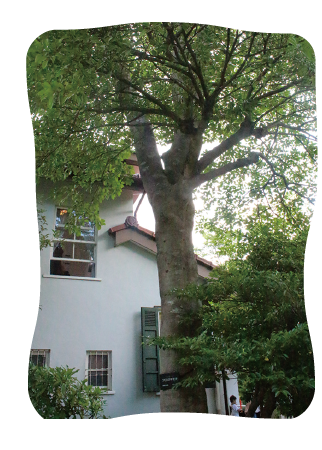
Take a Walk and Discover Koriyama’s Literary Heritage
While strolling through the museum grounds, you can learn about authors connected to Koriyama, explore modern literature, and discover the life of Masao Kume. He was an energetic, friendly, and adventurous person, as well as a successful playwright, making his story truly inspiring.
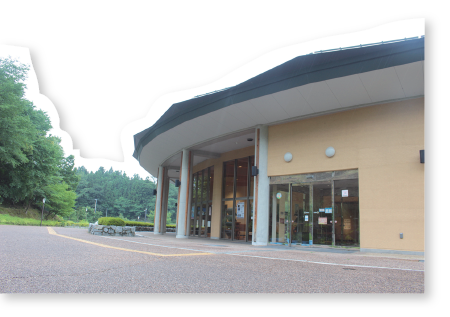
Koriyama Bungakuno-Mori Museum
Bungaku‑no‑Mori Museum & Masao Kume Memorial Hall
Phone: 024-991-7610
Address: 3‑5 Toyota‑machi, Koriyama, Fukushima
Opening Hours: 10:00 AM – 5:00 PM (last entry 4:30 PM)
Closed: Mondays, New Year Season, Inventory Days
If Monday is a national holiday, the museum will close the following day
Entrance Fee (for both the Literature Museum and Memorial Hall)
-
Individuals:
-
Adults: ¥200
-
High School / University / Equivalent Students: ¥100
-
-
Groups (20 people or more):
-
Adults: ¥150
-
High School / University / Equivalent Students: ¥70
-
-
Free: Junior high school students and younger, seniors 65+, and people with a disability notebook
Parking: Available on the west side of the Comprehensive Gymnasium
The More You Learn, the More Inspiring It Gets!
Don’t you think what we learn at school only shows part of the story? For example, the “Project of Asaka Development and Asaka Drainage Works”, which laid the foundation for Koriyama’s growth, was certified as one of the Japanese Heritage sites in 2016.
That’s all for today! We’ll keep updating you with more fascinating information about Koriyama City, so stay tuned!

Sponsored Links