
The 2020 Tokyo Olympics is coming soon! The interviews with Takeshi Honda and Airi Hatakeyama in Koriyama City, Fukushima
Sponsored Links
Issued in the style koriyama vol. January 2018
Interview with Former Olympians at “BRIDGESTONE × Olympics × Paralympics a Go Go! in Koriyama”
The Road to the Tokyo 2020 Olympics!
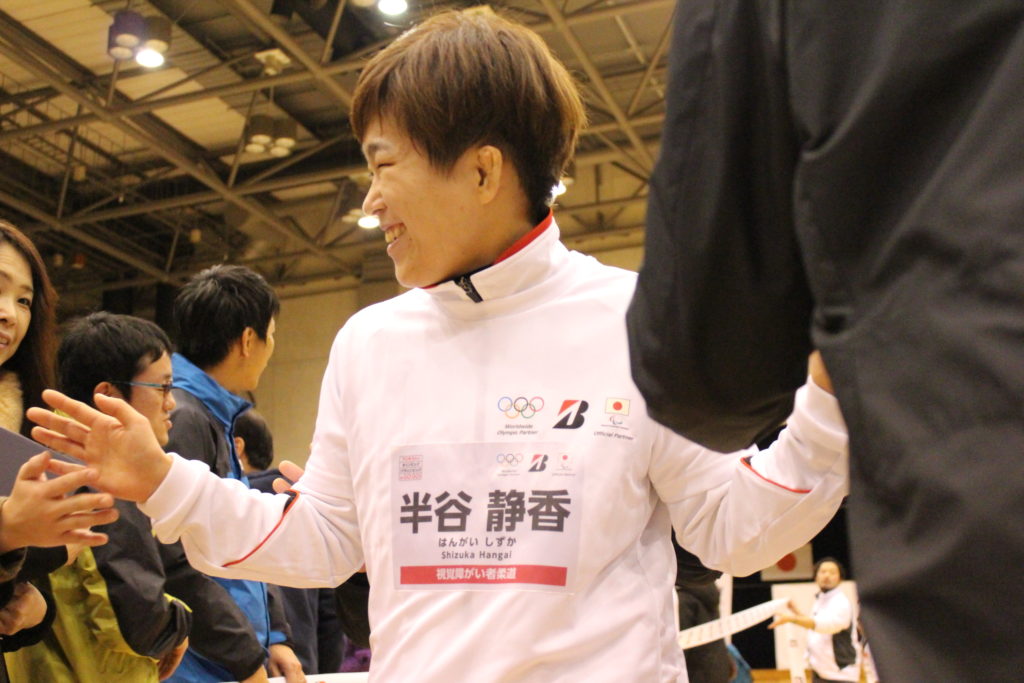
On November 18, 2017, Olympians and Paralympians gathered at Koriyama Gymnasium and the Gunshin Kaiseizan Pool. People of all ages—from children to adults—enjoyed a variety of programs, including a sports festival and hands-on sports clinics.
On this special occasion, we had the incredible opportunity to interview two two-time Olympians: figure skater Takeshi Honda from Koriyama City and rhythmic gymnast Airi Hatakeyama.
Takeshi Honda
Profile
From Koriyama City, Fukushima
Takeshi Honda competed in the Nagano Olympics at just 16 years old, becoming Japan’s youngest male Olympic figure skater at the time. He went on to finish fourth at the 2002 Salt Lake City Olympics.
He was also the first Japanese skater to successfully land a quadruple jump in international competition.
Today, he works as a professional figure skater and coach, dedicating himself to developing the next generation of athletes.
His Favorite Things About Fukushima
-
Steamed bean-jam buns
-
Yubeshi (a sweet, yuzu-flavored steamed dumpling)
-
The hot springs in Aizu
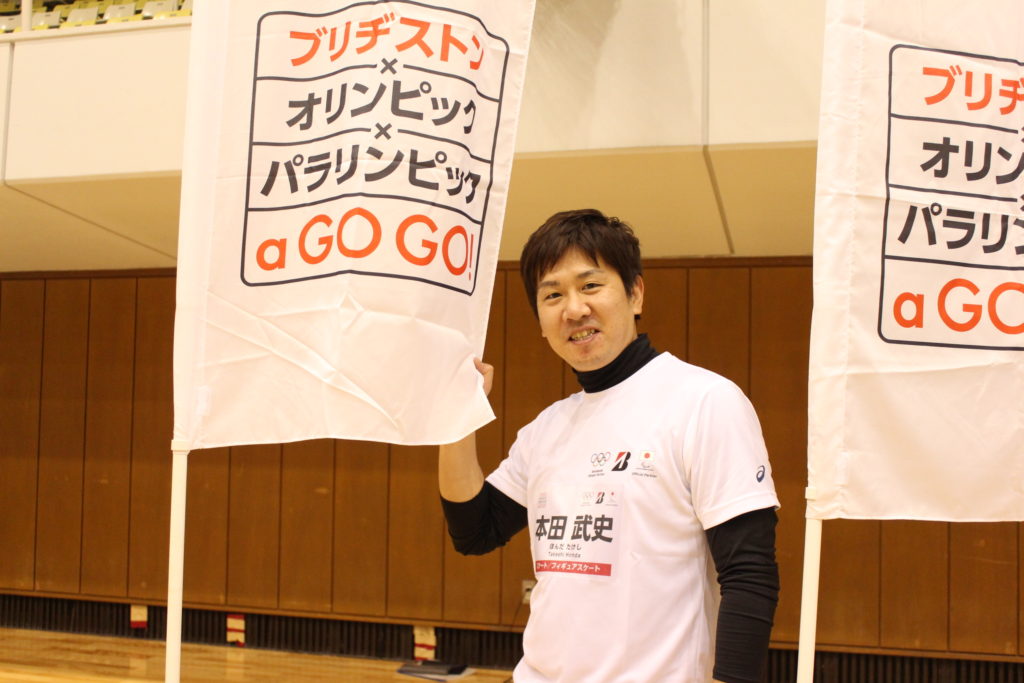
Q: How did you start figure skating?
My older brother was practicing speed skating at the Koriyama Skate Center (now Amuse Park), and that’s how I first got into skating.
When I was in elementary school, I practiced for about eight hours a day—before and after school. By the time I entered junior high school, I moved to Sendai to pursue more advanced training.
Q: Looking back, what challenges did you face during your career?
At that time, figure skating was not very popular in Japan, so the training environment and facilities were far behind international standards. There were also very few opportunities to connect with athletes and coaches overseas.
I performed well in junior international competitions, but when I moved up to the senior level, I realized there was a significant gap between myself and the world’s top skaters.
Q: How did you cope when you faced major challenges?
I’m the type of person who tends to move on quickly from negative experiences, so I try not to dwell on them too much.
For example, I would spend time with friends playing arcade games. Taking a break like that helped me refresh my mind and reset.
Q: What are you working on now?
I currently perform as a professional figure skater while also teaching at a skating school in Osaka. Through coaching, I hope to help grow the popularity of figure skating and inspire the next generation of athletes.
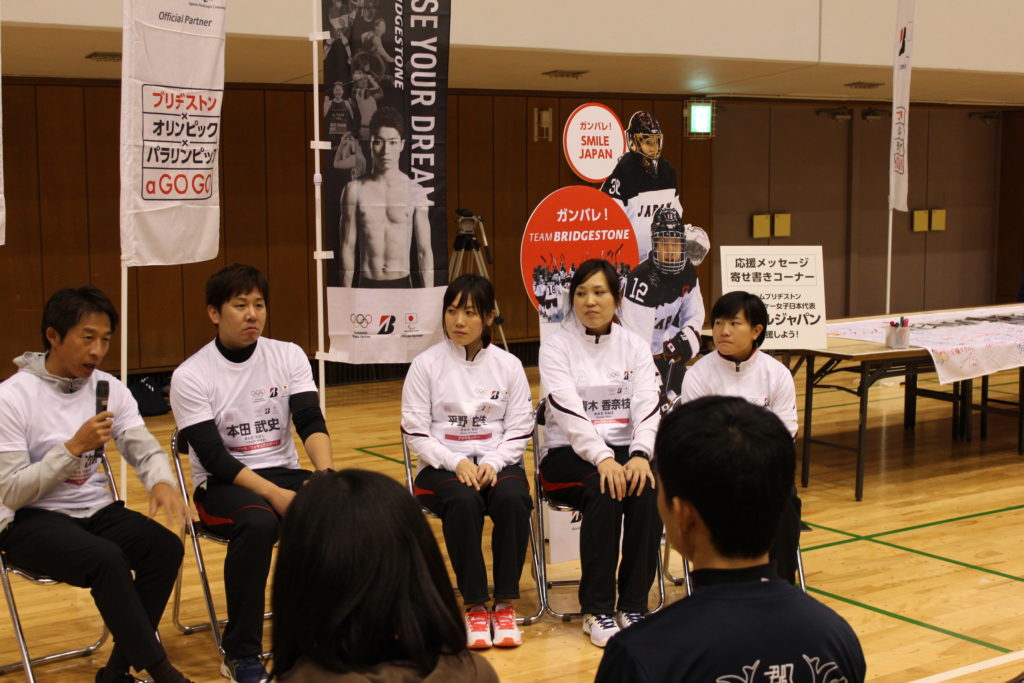
Please share a message for children who play sports.
Above all, I want you to enjoy it. Using figure skating as an example, I hope you truly feel that “figure skating is fun.”
To keep that feeling alive, it’s important to think for yourself—what you want to do and how you want to do it. Competitive careers in figure skating usually last around ten years at most. That’s why I hope your love for skating continues even after your time as a competitive athlete comes to an end.
Airi Hatakeyama
Profile
From Tokyo
Airi Hatakeyama began rhythmic gymnastics at the age of six. At 15, she passed the audition for Japan’s national team, Fairy Japan.
As a member of the group rhythmic gymnastics team, she competed in the London Olympics and the 2016 Rio de Janeiro Olympics, finishing 7th and 8th respectively.
After the Rio Olympics, she retired from competitive gymnastics. She is now active in various fields, including coaching, lecturing, and media appearances.
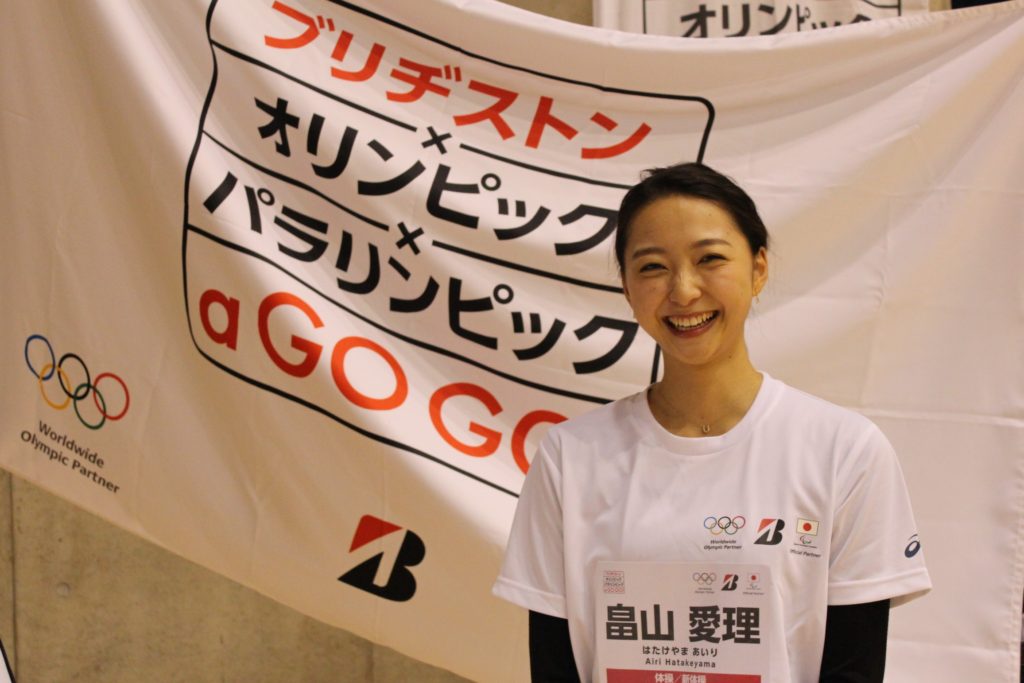
Q: How did you start rhythmic gymnastics?
My mother took me to a sports event, and I remember thinking that rhythmic gymnastics looked so beautiful and fun. Experiences like that can really open doors—I think events like these provide wonderful opportunities for children to discover something they love.
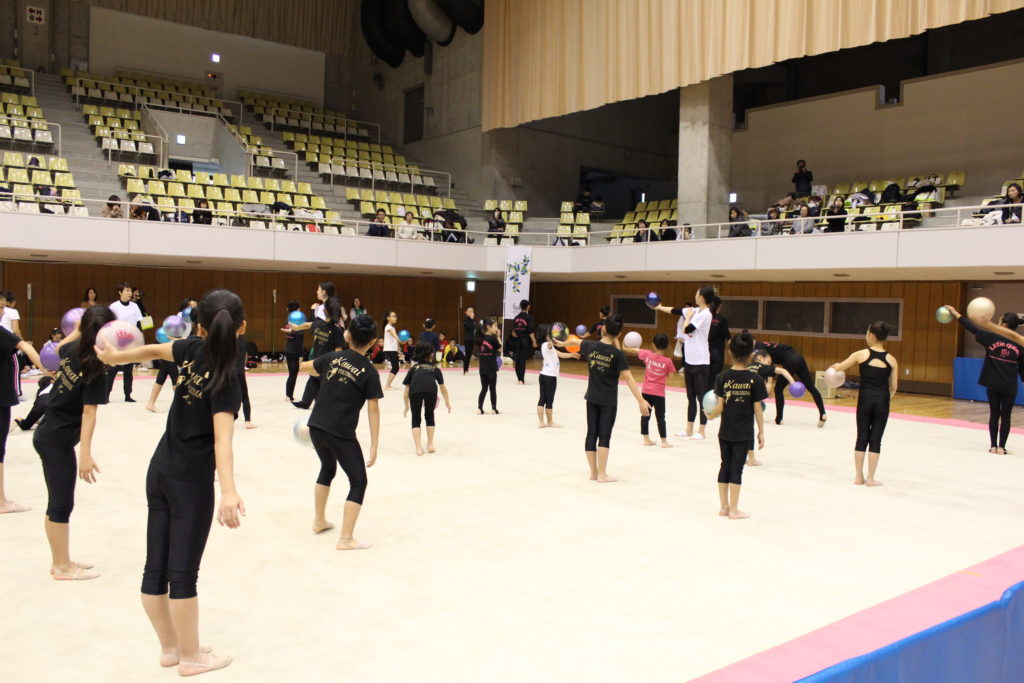
Q: Can you tell us about your teenage years?
When I was 14, I injured my back. Until then, I had been doing rhythmic gymnastics simply because I loved it and enjoyed it. But after the injury, I started to question everything. I remember thinking, “Why am I doing this? It’s not fun anymore. I don’t even know if I can enjoy it again.”
That was the time when I seriously considered giving up rhythmic gymnastics.
Q: How did you deal with major challenges?
When things weren’t going well, I often felt overwhelmed by the pressure of high expectations. But I realized how important it is to reset yourself.
By taking a step back and refocusing, I was able to rediscover the feeling that “I love rhythmic gymnastics—it’s so much fun.”
Q: When did you start aiming to compete internationally?
When I was 12, I advanced to the finals of the National Elementary School Championships. That experience made me think, “Next, I want to compete on the international stage.”
Q: What are you working on now?
Right now, I’m exploring anything that truly interests me. I want to keep challenging myself in new areas. I’m also hoping to become more involved in sports media in the future.
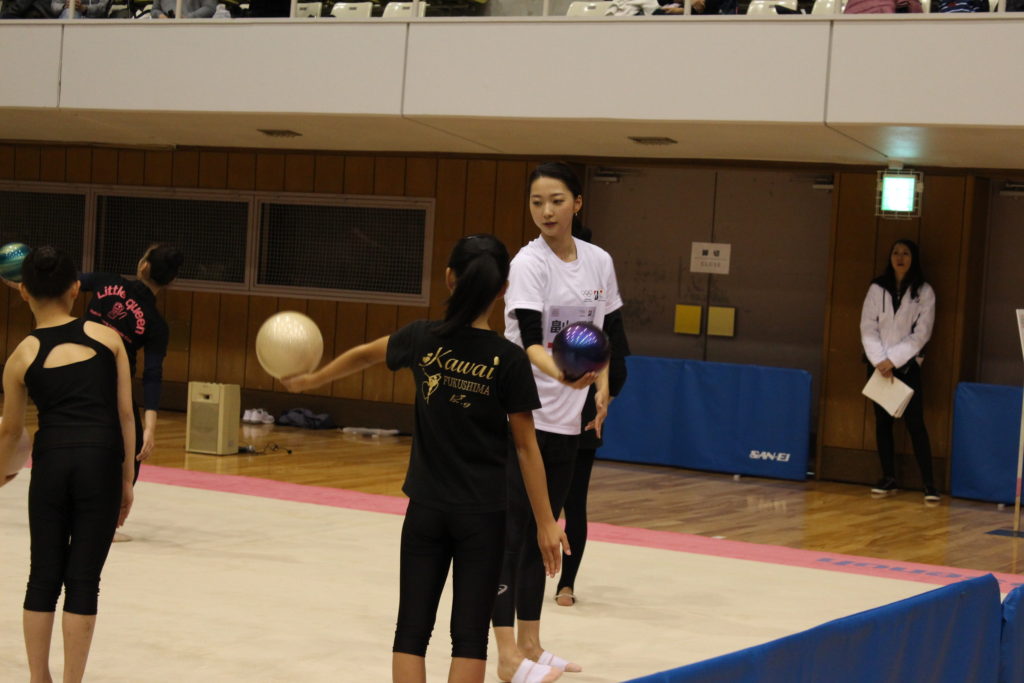
Q: Please give a message to children who play sports.
The most important thing is to enjoy what you’re doing. It’s great to have big dreams, but what matters even more is setting small goals each day and achieving them one by one. By doing that, you’ll gradually move closer to your dream. Take it step by step, and keep going little by little.
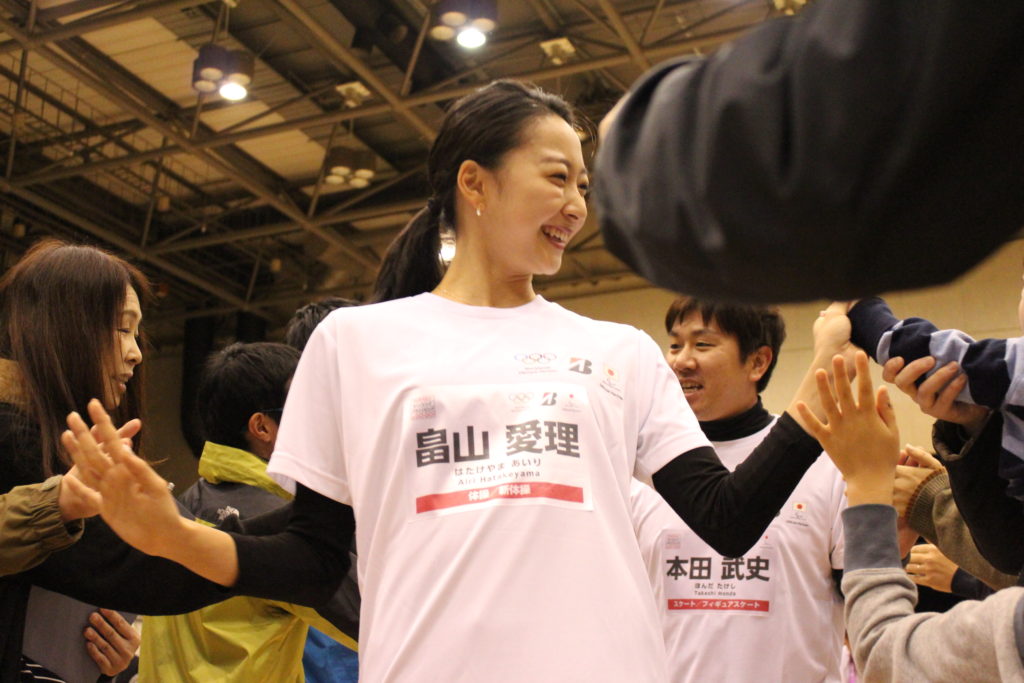
At the event, top-level athletes interacted with children through sports activities and games.
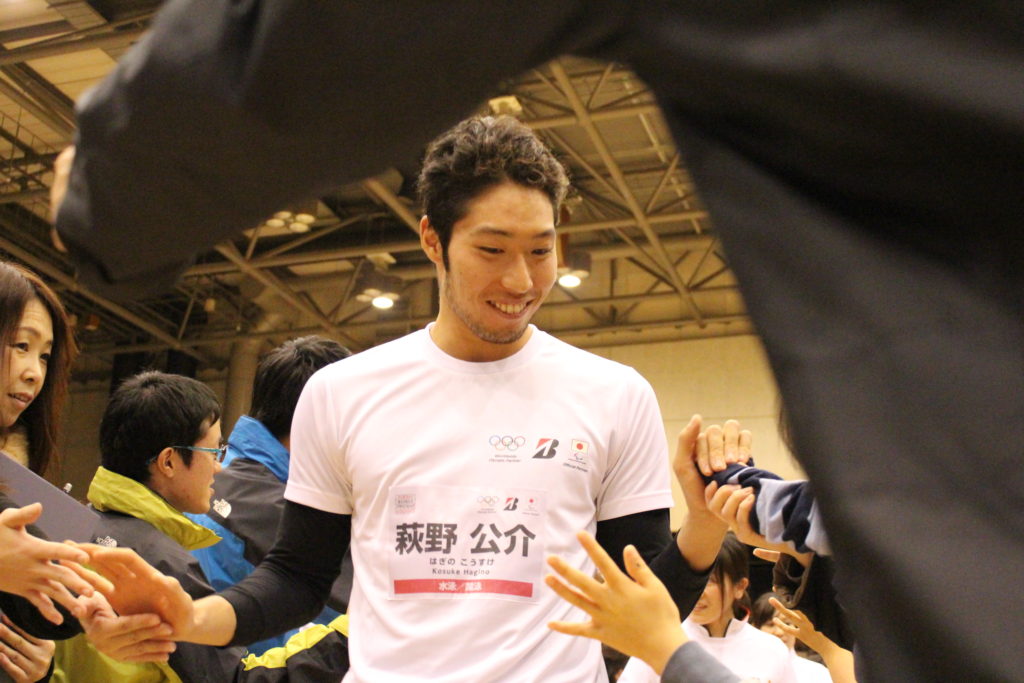
Kosuke Hagino (Swimming / Competitive Swimming)
-
Bronze Medalist in the 400m Individual Medley at the London 2012 Summer Olympics
-
Gold Medalist in the 400m Individual Medley at the Rio 2016 Summer Olympics
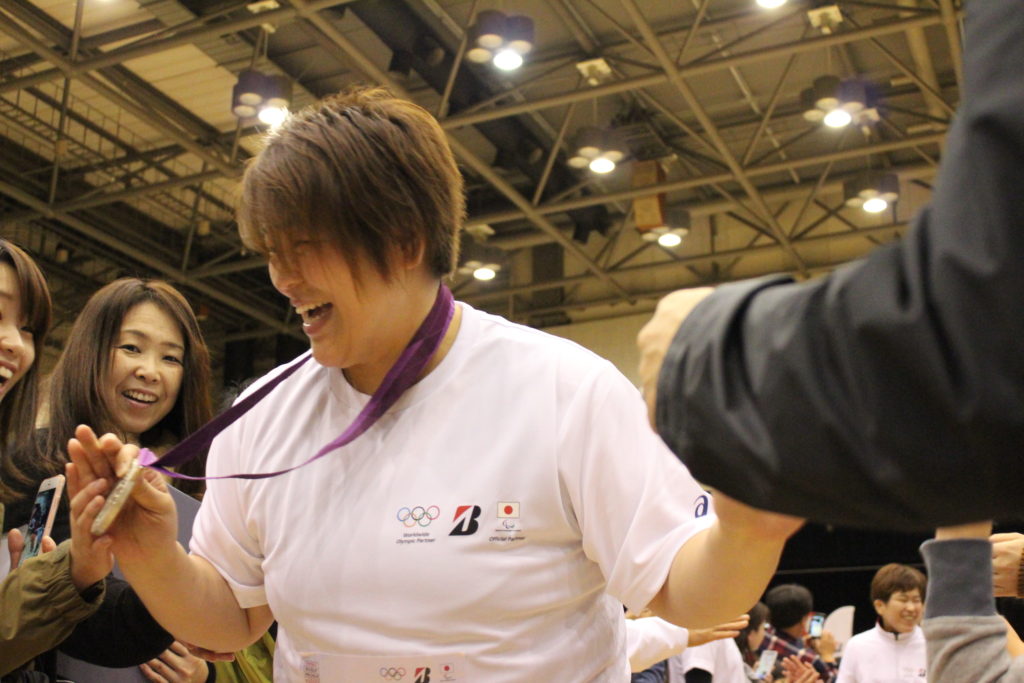
Mika Sugimoto (Judo)
-
Silver Medalist in the Women’s Heavyweight (+78 kg) division at the London 2012 Summer Olympics
Shizuka Hangai (Para Judo / Judo for the Visually Impaired)
-
From Fukushima
Sponsored Links