
“Yūji Koseki” Do You Want to Know about a Great Composer from Fukushima City? -Part II
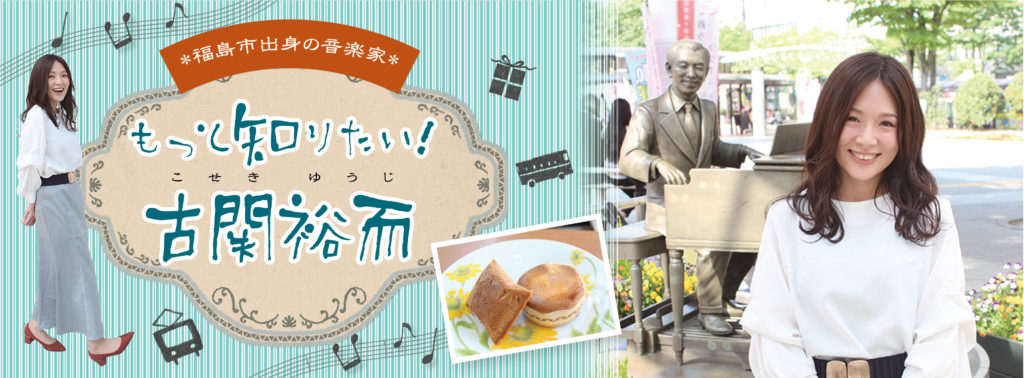
The melodies created by Yūji Koseki, who made a significant contribution to Japanese popular music during the Showa era, touched the hearts of people across Japan.
During World War II, he was required to compose songs for the war effort. It is said that he later struggled with the thought that soldiers had been sent off to battle accompanied by music he had written.
However, the true spirit of his music was to encourage people, lift their spirits, and support them in difficult times.
Many of his songs feature key changes. For example, “Nagasaki no Kane (The Bells of Nagasaki)” shifts from a minor key to a major key. It was composed as a message of hope—like a light shining in the darkness.
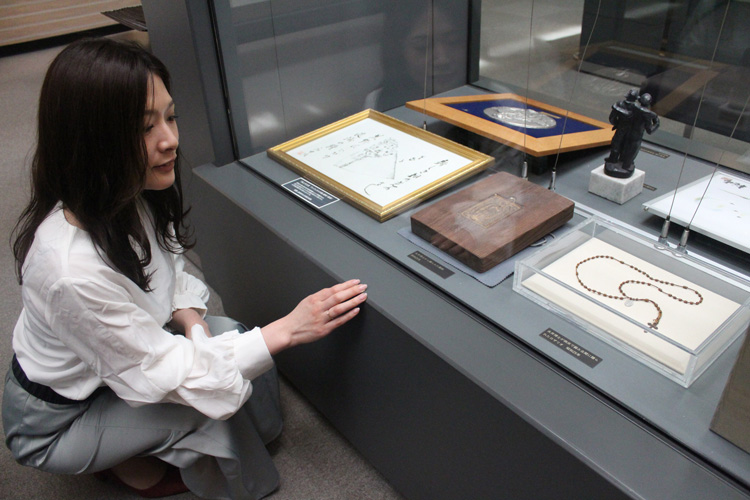
At the 1964 Tokyo Olympic Games, it is said that after “Olympic March” was performed, inquiries poured in from around the world asking, “Who composed this piece?”
From that moment on, Koseki became widely known for his marching music and earned the nickname “the Japanese Sousa,” after the American march composer John Philip Sousa.
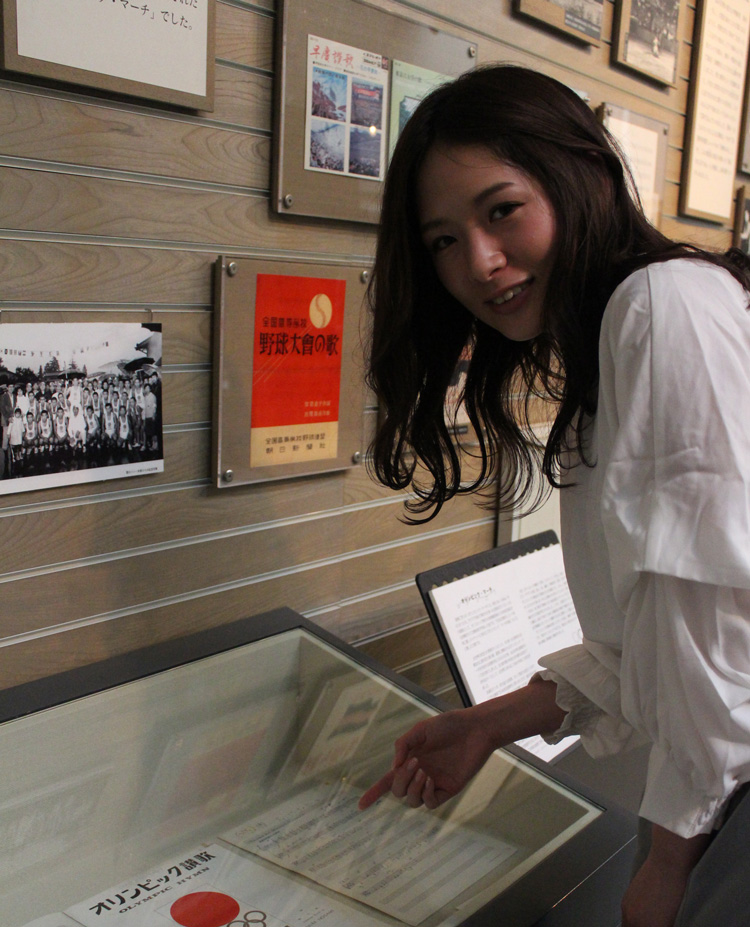
In 2020, the Olympic and Paralympic Games were held in Tokyo for the second time. As Fukushima was designated as a host city for Olympic baseball and softball events, the city worked with NHK for several years to bring the story of Mr. and Mrs. Koseki to life in its 2020 morning drama series.
Therefore, 2020 was the perfect year to enjoy the drama about Mr. Koseki, who composed the marching music for the previous Tokyo Olympic Games.
It is wonderful that the drama “Yell,” set in Fukushima, was broadcast, and of course, this museum is also a wonderful place to learn more about this remarkable man. We warmly invite you to visit.
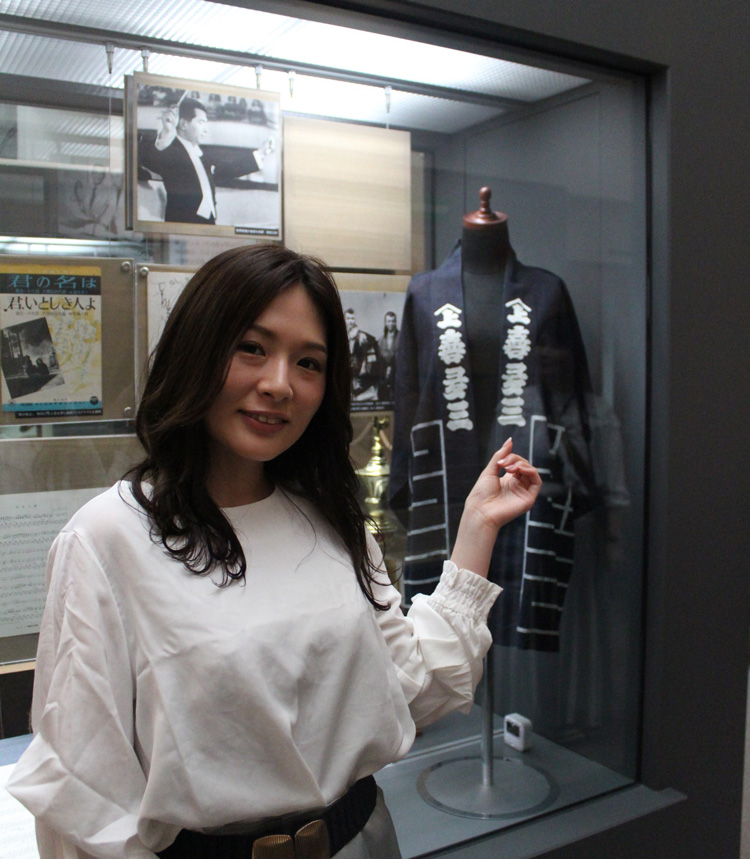
▲
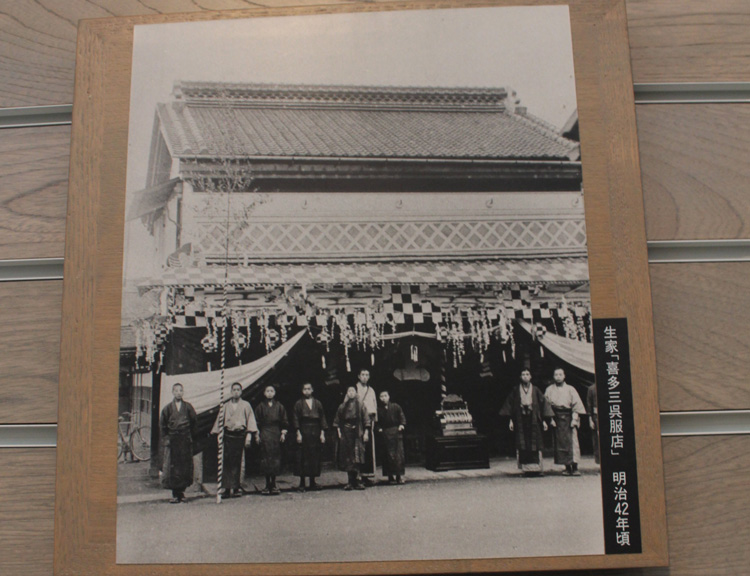
“Kitasan” was his family’s long-established kimono shop. His father, who loved music, bought a gramophone when Yūji was five years old, and records were always playing at home.
Surrounded by music from an early age, Koseki developed a deep interest in Russian classical music. He eventually set his sights on becoming a composer, studying largely on his own.
His future collaborator, lyricist Toshio Nomura, was also his neighbor.
It seems that he was truly blessed with supportive people throughout his life. His elementary school teacher, Kimiji Endo, also had a deep love for music and gave him valuable opportunities to develop his talent.
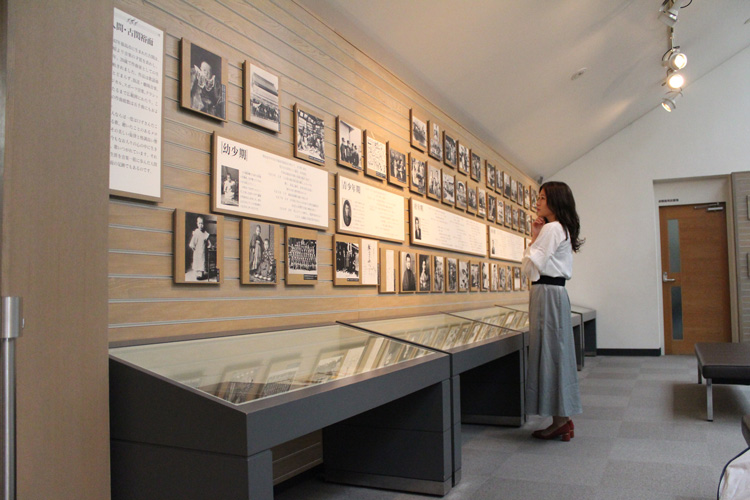
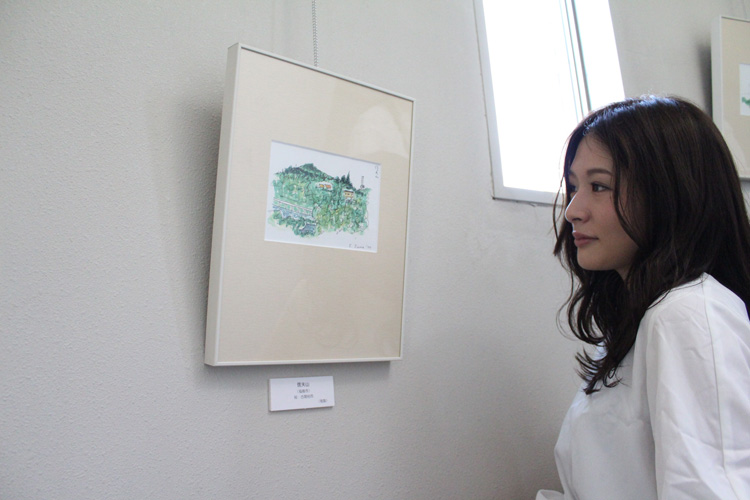
▲Painting, like music composition, is also a creative art. Koseki often carried his painting tools with him while traveling and enjoyed sketching and painting wherever he went.
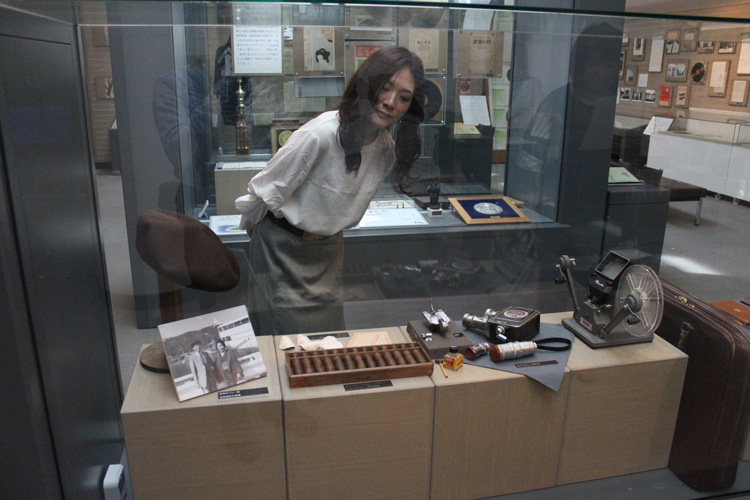
▲His hobbies included painting and filming with an 8mm camera. He also edited the films himself.
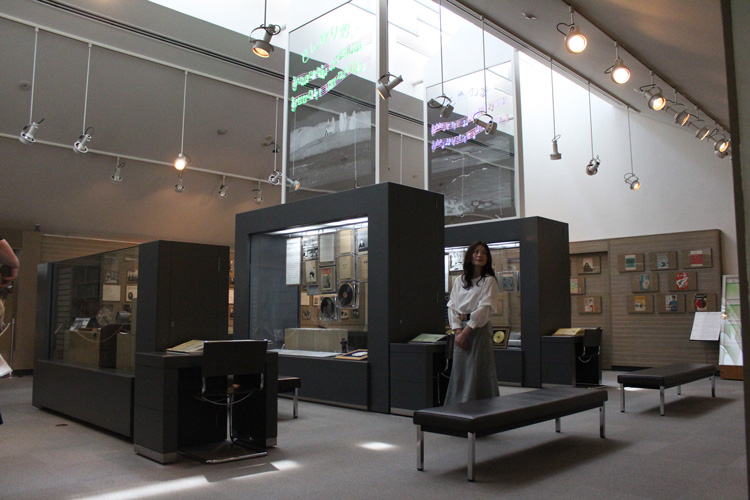
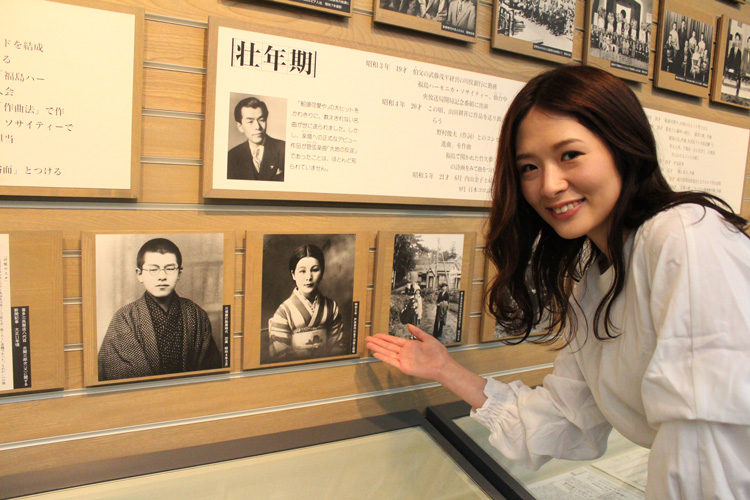
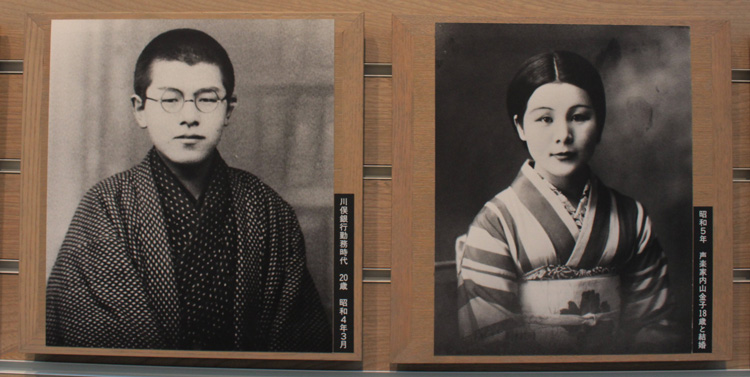
▲
In 1929, Koseki entered a composition competition held by a British music publisher and won a prize. After reading about his achievement in the newspaper, Kinko began sending him fan letters.
In 1930, after three and a half months of correspondence, they were married. It was a remarkably swift romance—Koseki was 20 and Kinko just 18.
He was known as a devoted husband, and together they made a loving couple. Aspiring to become a vocalist, Kinko enrolled in the Imperial Music School with his support.
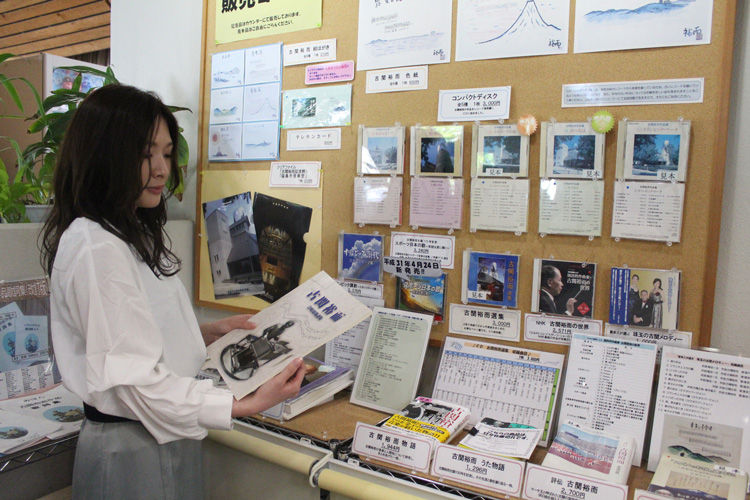
▲CDs, books, and related items are available for purchase.
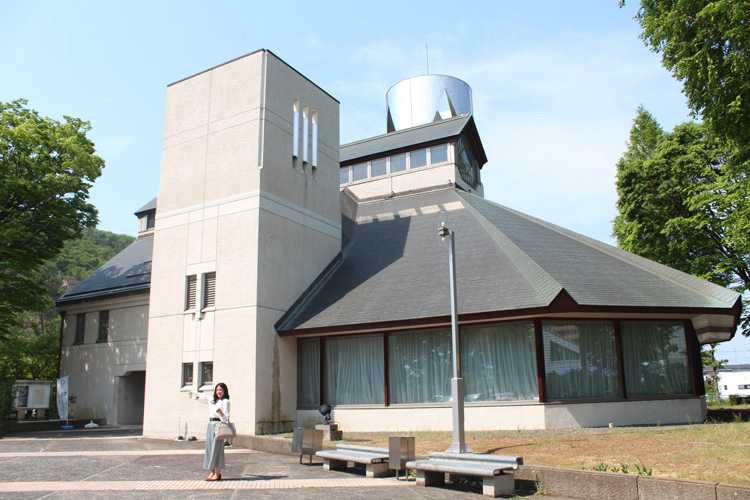
Report Cooperation by Fukushima Yūji Koseki Memorial Hall
Address: 1-1, Irie-cho, Fukushima City, Fukushima
Tel: 024-531-3012
Open Hours: 9:00 am-4:30 pm (Entrance closes at 4:00 pm.)
Closed Days: New Year’s Season (29th Dec- 3rd Jan)
※It may close for facility maintenance or display change.
Entrance Fee: Free
Click Here for Part III
Error: No feed with the ID 2 found.
Please go to the Instagram Feed settings page to create a feed.